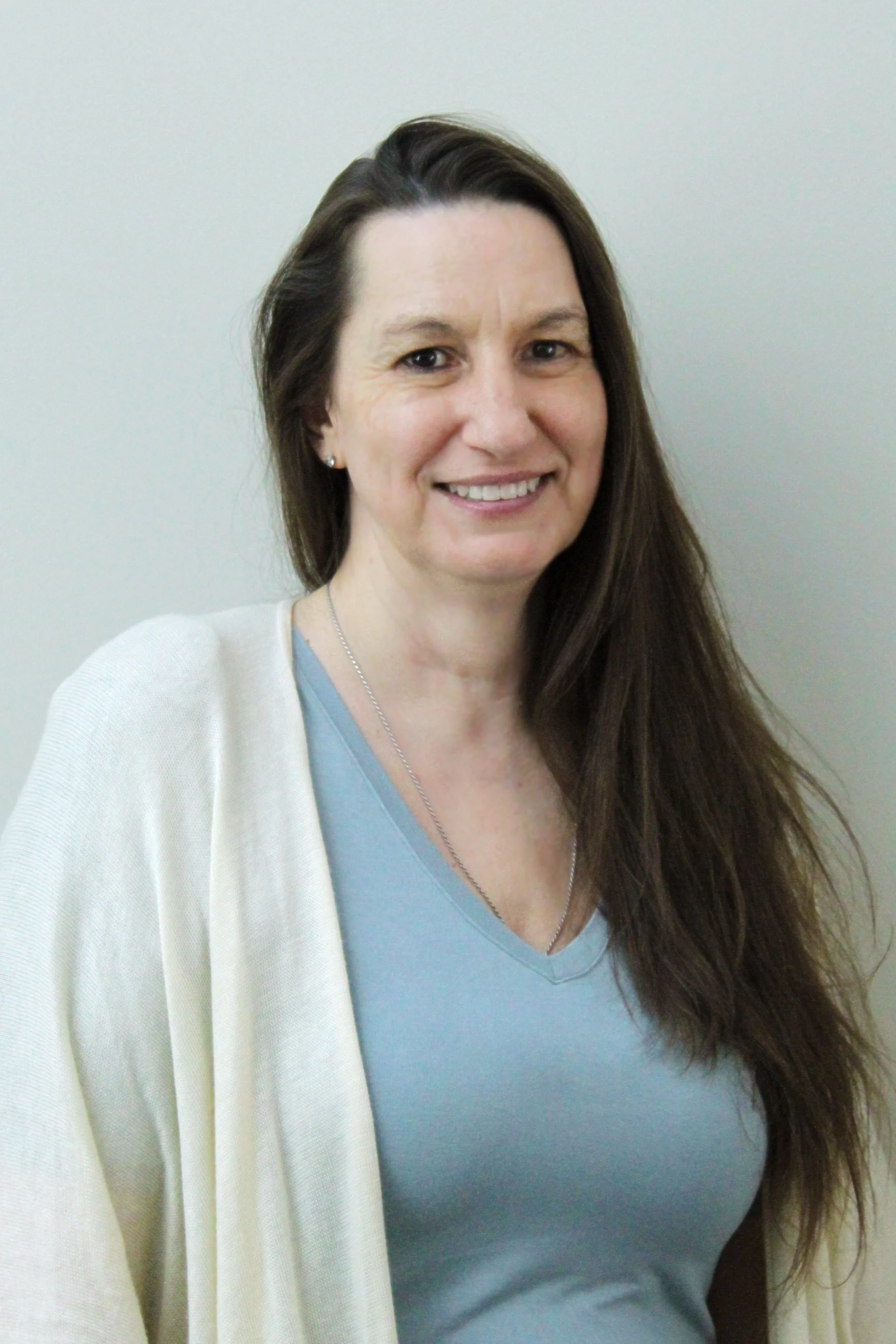
Audrey Williams
Program Manager | Connecticut ABI Waiver & Brain Injury Services
Audrey Williams serves as a Program Manager at The Supported Living Group (SLG), bringing more than a decade of experience in the brain injury rehabilitation field and extensive direct-care experience supporting individuals with acquired brain injury and other complex support needs.
Audrey began working in brain injury rehabilitation in 2013 and progressed into program leadership at SLG, where she has developed extensive experience working directly with ABI Waiver participants, families, and interdisciplinary team members. Her professional reputation is characterized by patience, compassion, professionalism, and a strong commitment to helping individuals achieve their personal and professional goals.
Her experience includes supporting individuals with:
Acquired brain injury
Traumatic brain injury
ADHD
Anxiety
Depression
Autism
Diabetes
This broad experience allows Audrey to recognize that successful community-based support often requires understanding how multiple conditions and functional challenges interact.
More Than a Decade of Brain Injury Rehabilitation Experience
Audrey has worked in the brain injury rehabilitation field since 2013, giving her more than a decade of experience supporting individuals whose injuries affect their independence, daily functioning, relationships, and community participation.
Brain injury can create challenges involving:
Executive functioning
Memory
Organization
Emotional regulation
Judgment
Problem-solving
Community safety
Communication
Independent living
Many of these challenges are invisible.
An individual may appear physically capable while experiencing significant difficulty managing the cognitive and emotional demands of everyday life.
Professionals with direct ABI experience are essential because successful support requires understanding not only what a person struggles with, but how the injury affects that person's functioning in real-world environments.
Direct-Care Experience With ABI Waiver Participants
One of Audrey's most valuable professional assets is her extensive experience in the direct-care arena.
Her current SLG profile specifically notes positive feedback from ABI Waiver participants, their family members, and interdisciplinary team members regarding her professionalism and compassion.
Direct experience provides an understanding of the practical realities of ABI support that cannot always be gained through classroom education alone.
It allows professionals to see how brain injury can affect:
Daily routines
Household responsibilities
Community participation
Relationships
Employment goals
Emotional regulation
Safety and decision-making
This experience is particularly valuable when transitioning into program leadership because it provides a foundation for understanding what effective services look like from the participant's perspective.
ABI Program Management and Service Coordination
As Program Manager, Audrey occupies an important position between the individual receiving services, direct support professionals, families, and the broader service team.
Effective ABI program management involves coordinating:
Participant goals
Staff support
Family communication
Team collaboration
Service implementation
Daily program needs
This is particularly important because ABI participants may have changing needs as they develop skills, pursue employment, change living arrangements, or encounter new challenges.
Strong program management helps ensure that services remain connected to the individual's goals.
Person-Centered Support After Brain Injury
Audrey's professional philosophy emphasizes patience, respect, compassion, and helping individuals achieve personal and professional goals.
Those qualities align closely with SLG's person-centered approach.
Person-centered ABI services focus on:
Individual choice
Strengths
Goals
Preferences
Independence
Community participation
A person receiving services should not be defined solely by their diagnosis.
Instead, the support team should understand:
Who is this person?
What matters to them?
What do they want to accomplish?
What supports will help them get there?
Supporting Individuals With Complex and Co-Occurring Needs
Audrey's experience includes supporting individuals with brain injuries as well as ADHD, anxiety, depression, autism, and diabetes.
This is important because individuals receiving ABI services may have multiple conditions or support needs at the same time.
For example, a person may experience:
Brain injury-related executive dysfunction
Anxiety related to increased independence
Depression following major life changes
Autism-related communication differences
Diabetes requiring consistent routines
Effective community support requires understanding how those factors interact rather than addressing each one independently.
Supporting Personal and Professional Goals
One of the strongest themes in Audrey's existing profile is her focus on helping individuals achieve personal and professional goals.
This is an important distinction in brain injury rehabilitation.
ABI services should not simply focus on maintaining stability.
They should also create opportunities for individuals to pursue:
Employment
Education
Independent living
Relationships
Recreation
Community participation
Personal interests
Success looks different for every individual.
For one person, it might mean maintaining employment.
For another, it may mean learning to use public transportation or developing the skills needed to live more independently.
Community-Based Brain Injury Rehabilitation
Brain injury rehabilitation does not end when someone leaves a hospital or rehabilitation facility.
Many people continue to require support while they return to:
Their homes
Employment
Education
Relationships
Community activities
Community-based services help individuals apply rehabilitation strategies in the environments where they actually live.
Audrey's direct-care and program-management background is particularly relevant to this part of the recovery process.
Working With Families and Interdisciplinary Teams
ABI services rarely involve a single professional.
A participant's support network may include:
Family members
Care managers
Direct support professionals
Program managers
Neuropsychology professionals
Occupational therapists
Behavioral specialists
Counselors
Medical providers
Audrey's experience working with ABI Waiver participants, families, and interdisciplinary team members allows her to contribute to this collaborative model.
Effective communication between these groups helps ensure that the participant remains at the center of decision-making.