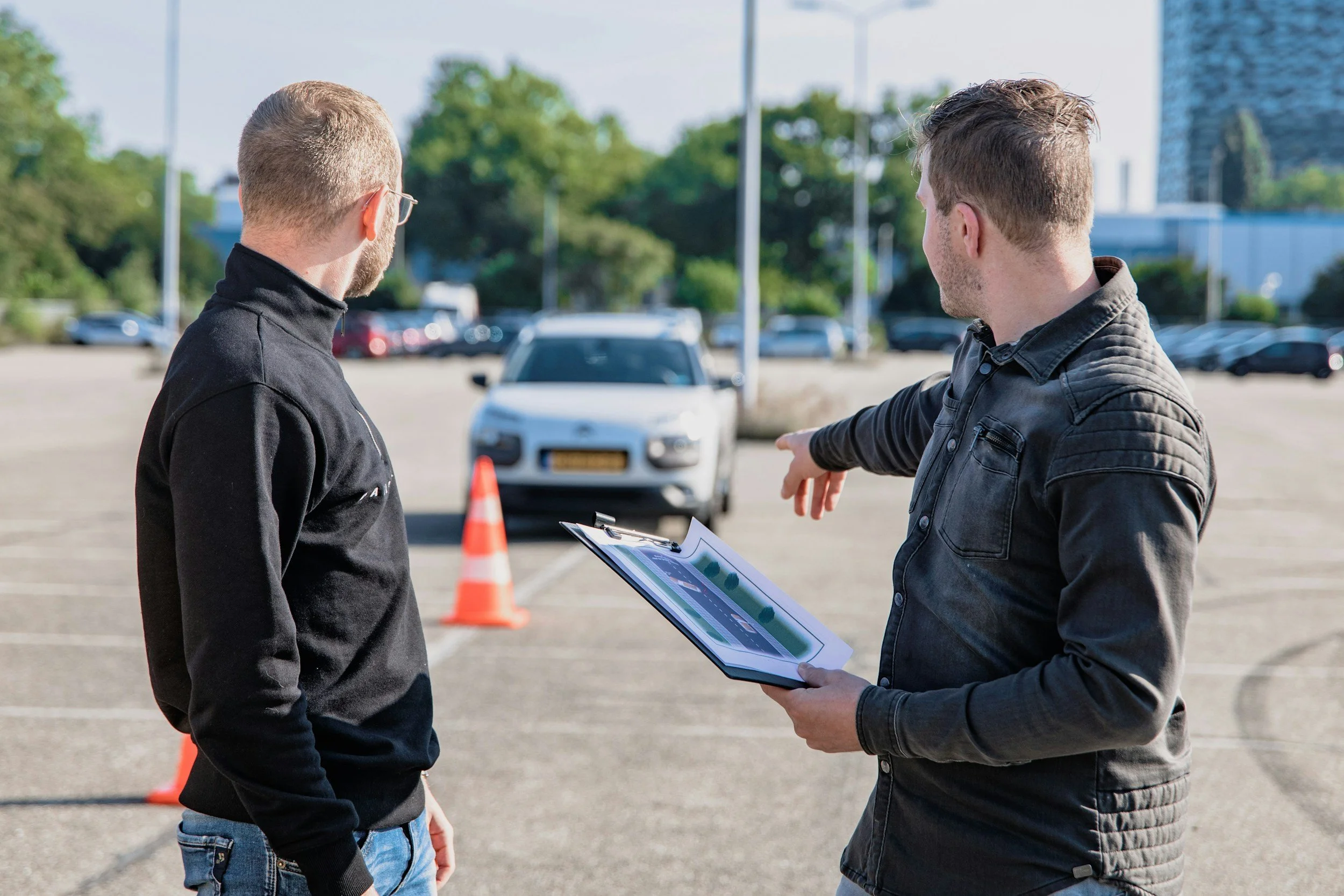
Brain Injury and Driving: Understanding the Complex Journey Toward Safe Independence After ABI and TBI
Driving after brain injury is a complex process involving much more than physical recovery. Learn how acquired brain injury (ABI) and traumatic brain injury (TBI) can affect attention, reaction time, executive functioning, judgment, emotional regulation, and safety behind the wheel. Explore how brain injury rehabilitation, occupational therapy, Connecticut ABI Waiver services, and SLG’s multidisciplinary clinical team support individuals in pursuing safe transportation options and meaningful independence after injury.

Brain Injury and Relationships: Why Connection Changes After ABI and How Recovery Can Support Stronger Relationships
Brain injury impacts more than memory and physical abilities—it can change communication, emotional regulation, decision-making, and relationships. Learn how acquired brain injury (ABI) and traumatic brain injury (TBI) affect spouses, families, friendships, and social connection, and how specialized rehabilitation, Connecticut ABI Waiver services, and SLG’s multidisciplinary clinical team help individuals rebuild relationships and achieve meaningful independence after brain injury.

Housing After Brain Injury: Creating Opportunities for Independence, Safety, and Community Living
Finding safe, affordable, and supportive housing after a brain injury can be one of the greatest challenges for individuals with acquired brain injury (ABI) and traumatic brain injury (TBI). Learn how specialized brain injury housing options, Connecticut ABI Waiver services, supported living, and Independent Living Skills Training (ILST) help individuals build independence, maintain community living, and achieve long-term success. The Supported Living Group provides statewide subsidized housing options for ABI Waiver participants and private pay individuals throughout Connecticut, creating opportunities for individuals to live safely with the supports they need.

Returning to College After Brain Injury: Helping Students Rebuild Confidence, Skills, and Academic Success
Returning to college after a brain injury can present unique challenges related to memory, executive functioning, cognitive fatigue, emotional regulation, and independent living skills. Learn how students with acquired brain injury (ABI) and traumatic brain injury (TBI) can successfully pursue higher education through individualized supports, academic accommodations, Independent Living Skills Training (ILST), and Connecticut ABI Waiver services. The Supported Living Group helps individuals rebuild confidence, develop strategies for success, and achieve their educational goals while navigating life after brain injury.
Supported Employment After Brain Injury: More Than Finding a Job—Building a Pathway to Independence
Returning to work after a brain injury can be challenging, but with the right support, individuals with traumatic brain injury (TBI) and acquired brain injury (ABI) can achieve meaningful employment and greater independence. Learn how Supported Employment, vocational rehabilitation, Independent Living Skills Training (ILST), and Connecticut ABI Waiver services help individuals overcome cognitive, emotional, and functional barriers while building confidence and success in the workplace.

Emotional Regulation After Brain Injury: Understanding One of the Most Misunderstood Effects of ABI and TBI
Emotional regulation challenges after acquired brain injury (ABI) are among the most misunderstood effects of brain injury. Learn how ABI and TBI can impact frustration tolerance, impulse control, behavior, relationships, and independence. Explore how The Supported Living Group’s multidisciplinary clinical team—including a neuropsychologist, occupational therapists, BCBA professionals, LPCs, and a CBIS-T—provides specialized Connecticut ABI Waiver services that address the cognitive, emotional, and behavioral challenges of life after brain injury.

Community Reintegration After TBI: Recovery Doesn't End When Rehabilitation Does
Recovering from a traumatic brain injury (TBI) doesn't end when rehabilitation services conclude—it continues through successful community reintegration. Learn how individuals with an acquired brain injury rebuild independence, confidence, and meaningful participation in everyday life through community-based rehabilitation, Independent Living Skills Training (ILST), and Connecticut ABI Waiver services. This guide explores the challenges of returning home after a brain injury, overcoming cognitive and emotional barriers, reconnecting with family and community, and achieving long-term success through person-centered support.
Choosing an ABI Provider: What Families Should Consider When Selecting Brain Injury Services
Choosing the right ABI provider is a critical decision for individuals and families navigating life after an acquired brain injury. Learn what to consider when selecting a Connecticut ABI Waiver provider, including brain injury expertise, person-centered services, staffing quality, clinical collaboration, and opportunities that promote independence and community reintegration.

ABI Waiver Eligibility in Connecticut: Are Two ADLs Still Enough?
As Connecticut sees rising numbers of individuals living with complex traumatic brain injuries, questions are emerging about whether current ABI Waiver eligibility criteria truly reflect long-term support needs. This article explores whether reliance on Activities of Daily Living (ADLs) remains an effective gateway to services and highlights the growing need for brain injury-informed assessments. The Supported Living Group shares expert insight into ABI Waiver access, long-term brain injury care, and community-based supports across Connecticut.

The Impact of the Holidays on Individuals Living With Brain Injury — and How to Navigate the Season With Support
Holiday Stress and Brain Injury: How to Navigate the Season With Support
The holiday season can be especially challenging for individuals living with brain injury. Increased social demands, sensory overload, fatigue, and emotional stress can intensify symptoms and make traditional celebrations overwhelming. This article explores the impact of the holidays on brain injury survivors and offers practical strategies to reduce stress, maintain routine, and prioritize well-being. Learn how person-centered, community-based brain injury support services can help individuals and families navigate the season with confidence, compassion, and meaningful connection.

Is the Risk of Brain Injury from Contact Sports Overstated? What Connecticut Families Need to Know
The discussion around brain injuries in contact sports has become increasingly prevalent, with growing concerns about the long-term effects of concussions and repetitive head trauma. However, recent research suggests that media coverage may sometimes exaggerate these risks, leading to heightened public anxiety.