Regional Manager | Human Services Leader | Community-Based Disability Support Specialist
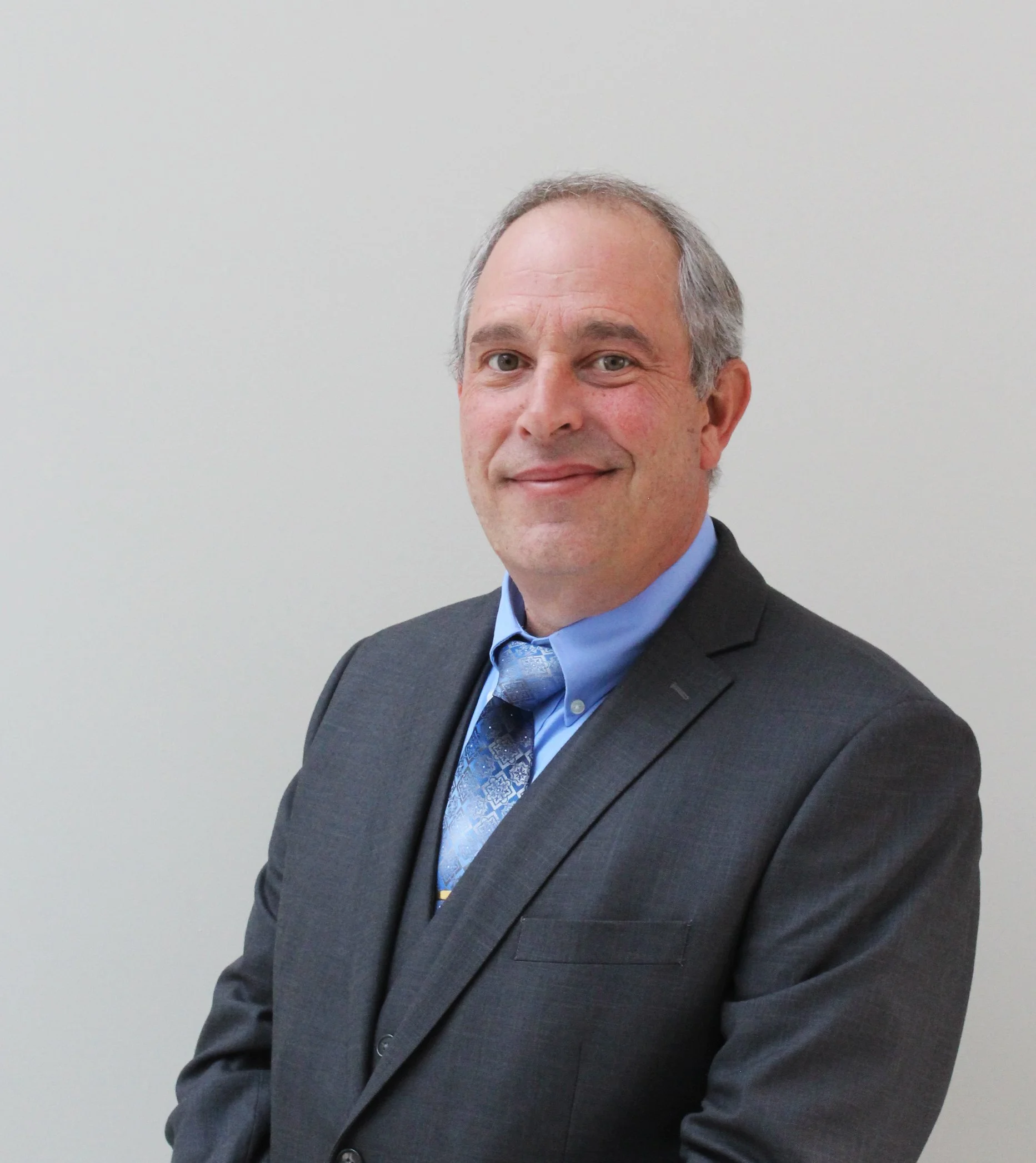
Gerry Zarra, B.A., serves as Regional Manager at The Supported Living Group (SLG), bringing more than three decades of experience in Connecticut human services and community-based support to his work with individuals with acquired brain injury, developmental disabilities, mental health needs, and other complex support needs.
Gerry began his professional career in 1989 after graduating from the University of Connecticut with a bachelor's degree in Liberal Arts with a concentration in psychology. He also served in the Connecticut National Guard Army and received an honorable discharge.
Throughout his career, Gerry has worked across multiple areas of human services, including:
Mental health
Residential services
Independent living
Developmental disabilities
Acquired brain injury
Homelessness
Substance-use services
Youth and family services
Employment and housing support
His approach has consistently centered on helping individuals achieve greater independence and improve their quality of life while being treated with dignity, respect, and hope.
More Than Three Decades in Connecticut Human Services
Gerry's professional experience provides him with a broad understanding of the Connecticut human services system.
His career began in mental health, where he provided residential and independent living services to individuals experiencing mental health challenges. His work focused on helping people live successfully in the community while pursuing treatment and personal goals.
Over time, his experience expanded to include individuals experiencing:
Developmental disabilities
Acquired brain injury
Substance-use challenges
Homelessness
Economic disadvantage
Youth and family-system involvement
This breadth of experience allows Gerry to understand that individuals frequently interact with multiple service systems simultaneously.
A Person-Centered Approach to Human Services
A central theme throughout Gerry's career has been a commitment to putting the person before the disability.
Person-centered support means understanding:
What matters to the individual
What goals they want to achieve
What strengths they bring
What barriers they face
What supports will help them succeed
Gerry's professional approach emphasizes hope, dignity, respect, relationship-building, and individualized goals.
These principles align closely with SLG's broader philosophy that disability services should help individuals create meaningful lives rather than simply manage limitations.
Experience Supporting Individuals With Acquired Brain Injury
Gerry's career has included direct experience supporting individuals with acquired brain injuries, adding another layer of ABI expertise to SLG's leadership team.
Brain injury can affect areas including:
Executive functioning
Judgment
Memory
Emotional regulation
Community safety
Employment
Housing stability
Relationships
Gerry's experience supporting individuals in community settings is particularly relevant because successful ABI rehabilitation often depends on helping individuals translate clinical gains into real-world independence.
This includes addressing practical goals such as:
Maintaining housing
Returning to employment
Accessing community resources
Building relationships
Increasing independence
Housing and Independent Living Support
One of the strongest differentiators in Gerry's profile is his experience helping individuals secure independent housing and successfully live in the community.
Housing stability can be a critical factor in successful disability rehabilitation.
Without stable housing, individuals may have difficulty:
Maintaining employment
Managing healthcare
Following treatment plans
Building routines
Participating in the community
Gerry's history of helping individuals secure independent housing provides valuable practical knowledge that complements SLG's broader community-based approach.
This makes his profile particularly relevant to SLG's Housing After Brain Injury and independent-living content.
Employment and Community Independence
Gerry's professional work has also included helping individuals secure competitive employment and increase their independence.
Employment can be an important part of recovery and community integration.
It provides:
Income
Structure
Social connection
Purpose
Confidence
Increased independence
For individuals living with ABI, developmental disabilities, or other complex support needs, employment may require individualized assistance with:
Job development
Transportation
Workplace expectations
Organization
Communication
Maintaining routines
Gerry's experience connecting individuals with employment and community opportunities supports SLG's broader vocational and supported-employment model.
Building Partnerships Across Connecticut's Human Services System
Another significant authority signal within Gerry's professional history is his experience developing partnerships with multiple Connecticut state agencies and funding systems.
His work has included collaboration with:
Department of Mental Health and Addiction Services (DMHAS)
Department of Children and Families (DCF)
Department of Labor (DOL)
Bureau of Rehabilitation Services (BRS)
Bureau of Education and Services for the Blind (BESB)
Department of Developmental Services (DDS)
Department of Social Services (DSS)
These relationships demonstrate extensive familiarity with Connecticut's broader disability, rehabilitation, employment, and human-services systems.
This is valuable for individuals and families navigating services that cross multiple agencies.
Understanding Connecticut's Interconnected Service Systems
Individuals rarely fit neatly into a single service category.
Someone living with ABI may simultaneously need:
Brain injury rehabilitation
Housing assistance
Employment services
Behavioral health support
Transportation
Community integration
A person with autism or a developmental disability may similarly require support across:
Housing
Employment
Independent living
Community participation
Behavioral support
Gerry's experience working across multiple Connecticut systems provides a practical understanding of how these services intersect.
Staff Education, Training, and Safety
Gerry's career also includes a strong emphasis on training and safety.
He has developed and implemented curricula addressing topics such as:
Cultural competency
Active treatment
Goal planning
Emergency response
This experience is particularly valuable in community-based disability services, where staff need both technical knowledge and practical strategies for responding to changing situations.
High-quality services depend on staff who understand not only what to do, but why it matters.
Community Integration and Outreach
Gerry's approach emphasizes outreach, engagement, and relationship-building as tools for helping individuals participate successfully in services and community life.
These skills are particularly relevant for individuals who may be hesitant to engage with service systems because of:
Previous negative experiences
Mental health challenges
Trauma
Disability-related barriers
Housing instability
Lack of trust in providers
Building rapport can be the first step toward helping someone engage in treatment, rehabilitation, housing, employment, and community supports.
Central Connecticut Regional Leadership
Gerry currently serves as Regional Manager for Central Connecticut at The Supported Living Group.
His regional role combines local knowledge with SLG's broader statewide infrastructure.
That allows SLG to provide community-based services while maintaining leadership and oversight across Connecticut.
For families in Central Connecticut, this regional expertise can be particularly valuable when navigating local community resources and support systems.
Gerry Zarra and the Connecticut ABI Knowledge Center
Gerry's professional background makes him an important supporting authority for SLG's Connecticut ABI Knowledge Center, particularly around topics involving the practical realities of living in the community after brain injury.
His experience is particularly relevant to:
Community Reintegration After TBI
Housing After Brain Injury
Supported Employment After Brain Injury
Choosing an ABI Provider
Connecticut ABI Waiver Myths
Independent Living Skills Training
Brain Injury and Relationships
His expertise reinforces an important message within the Knowledge Center:
Brain injury rehabilitation is not limited to clinical recovery—it includes housing, employment, relationships, and participation in the community.
Gerry Zarra and the Connecticut ASD Knowledge Center
Although Gerry's current profile is not autism-specific, his extensive developmental-disability and Connecticut human-services experience creates useful authority for SLG's Connecticut ASD Knowledge Center.
His experience is particularly relevant to topics such as:
Adult developmental disability services
Autism community supports
Independent living
Community integration
Employment
Provider selection
Navigating Connecticut service systems
His state-agency experience also helps contextualize how autism services fit into Connecticut's broader disability-service ecosystem.
Gerry Zarra, B.A.