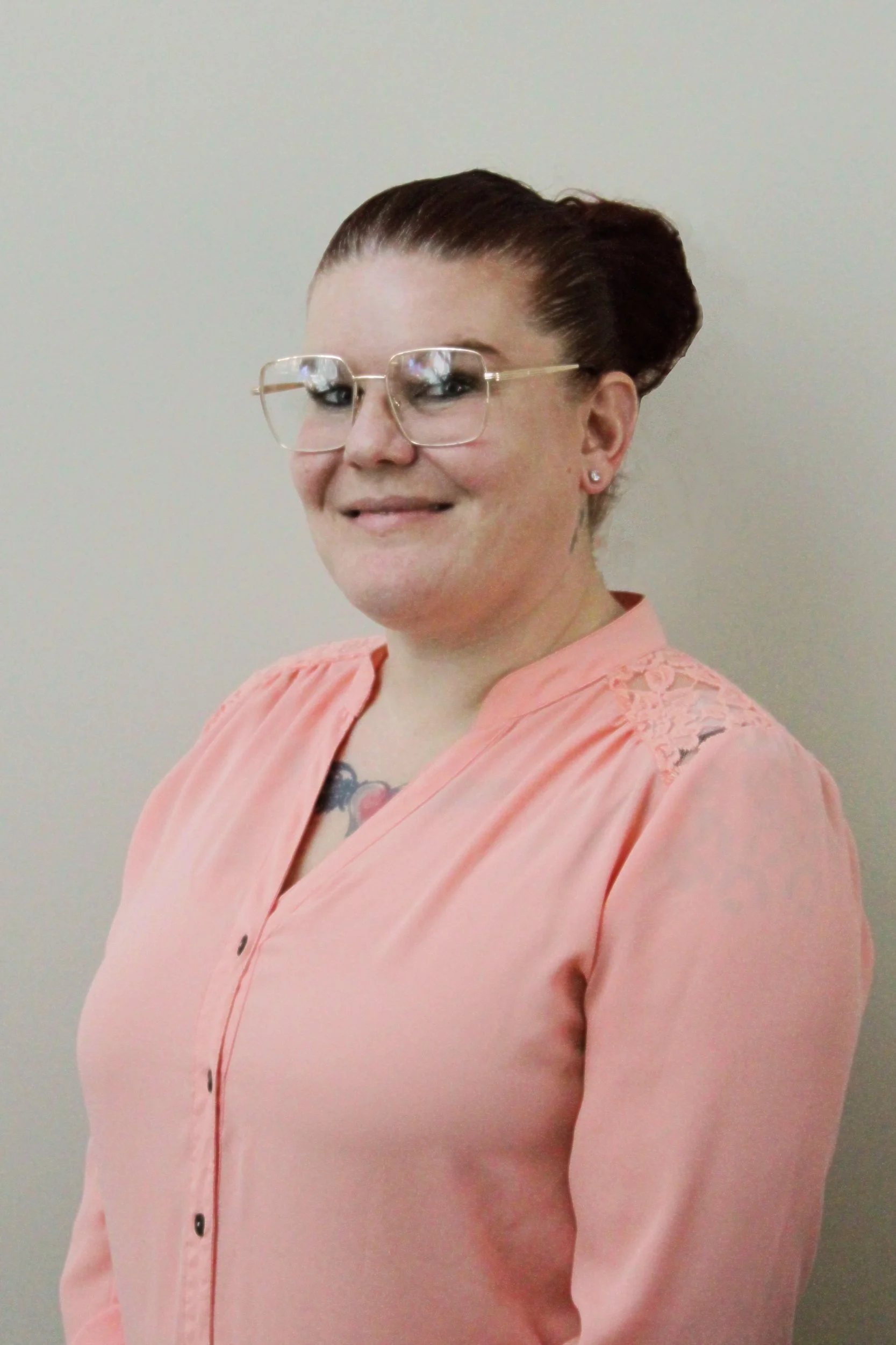
Jennifer O’Brian
Program Coordinator | ABI & Community-Based Disability Services
Jennifer O’Brian serves as a Program Coordinator at The Supported Living Group (SLG), bringing more than 20 years of experience in human services and community-based disability support to her work with individuals and families throughout Connecticut.
Her professional experience includes supporting individuals living with acquired brain injury (ABI), developmental disabilities, physical disabilities, and mental health needs, with a particular focus on helping people develop greater independence and participate successfully in their homes and communities.
Jennifer’s background includes experience with Independent Living Skills Training (ILST), residential services, medication administration, crisis intervention, person-centered support, and family advocacy. Her combination of direct-service experience and program coordination provides a practical understanding of how individualized disability services are implemented in everyday life.
More Than 20 Years of Human Services Experience
Jennifer has spent more than two decades working within the human-services field, developing experience across a range of disability and support environments.
Throughout her career, she has supported individuals with:
Acquired brain injury
Developmental disabilities
Physical disabilities
Mental health needs
Complex functional and behavioral support needs
This broad experience is particularly valuable in community-based services because individuals often experience needs that extend across traditional diagnostic categories.
A person living with an acquired brain injury, for example, may simultaneously require support with cognitive functioning, emotional regulation, physical limitations, medication routines, community safety, and independent living.
Effective support begins by understanding the whole person rather than focusing solely on a diagnosis.
Experience Supporting Individuals With Acquired Brain Injury
Jennifer’s experience supporting individuals with acquired brain injury is a central part of her professional background and an important component of her role at SLG.
Brain injury can affect many areas of everyday functioning, including:
Executive functioning
Memory
Organization
Judgment
Emotional regulation
Problem-solving
Communication
Safety awareness
Independent living
Community participation
Many of these challenges are invisible. An individual may appear physically capable while experiencing substantial difficulty managing the cognitive and organizational demands of everyday life.
Community-based ABI support requires professionals who understand that difference between what someone appears able to do and what they can consistently manage independently.
Jennifer’s experience provides a practical understanding of these challenges and the importance of individualized supports.
Independent Living Skills Training After Brain Injury
Jennifer has experience with Independent Living Skills Training (ILST), an important component of community-based rehabilitation for individuals with ABI and other disabilities.
ILST can help individuals develop practical strategies for:
Organization
Scheduling
Household management
Community navigation
Problem-solving
Safety
Daily routines
Personal responsibility
The purpose of ILST is not simply to complete tasks for an individual.
Effective skill development creates opportunities for the person to become more capable and confident in managing those tasks themselves.
For individuals with brain injury, this may require breaking activities into smaller steps, establishing predictable routines, using compensatory strategies, or practicing skills repeatedly within real-world environments.
Residential Services Experience
Jennifer’s professional background includes experience in residential disability services, giving her a valuable understanding of how support needs can affect an individual throughout the day.
Residential support may involve assistance with:
Daily routines
Personal care
Medication
Household responsibilities
Communication
Relationships
Safety
Community access
Residential services also provide an opportunity to identify the difference between an individual’s abilities and the environmental or cognitive barriers that may interfere with successful independence.
This experience complements SLG’s community-based approach, which emphasizes helping individuals develop skills and participate meaningfully in the environments where they actually live.
Medication Administration and Health & Safety
Jennifer has training and certification in medication administration, as well as CPR and first aid.
Health and safety considerations can be particularly important for individuals receiving community-based disability services.
Depending on an individual’s needs, support teams may need to understand:
Medication routines
Health-related changes
Emergency procedures
Safety risks
Communication with families and providers
When additional professional assistance may be needed
SLG provides non-medical community-based services, but staff with appropriate health and safety training contribute to a more comprehensive support environment.
Crisis Intervention and Behavioral Support
Jennifer also has training in Physical Management Training (PMT) and crisis intervention.
Crisis intervention is an important component of supporting individuals who may experience significant emotional or behavioral escalation.
Effective support should extend beyond responding to a crisis. Teams should also work to understand:
What triggers escalation
Early warning signs
Communication barriers
Environmental stressors
Effective de-escalation strategies
Preventive supports
The goal is to promote safety while maintaining dignity, respect, and the individual’s rights.
Supporting Individuals With Complex Needs
Jennifer’s experience across ABI, developmental disabilities, physical disabilities, and mental health services provides her with a broad perspective on complex support needs.
Individuals may experience overlapping challenges involving:
Cognitive functioning
Physical functioning
Emotional health
Behavioral regulation
Independent living
Community participation
These needs cannot always be addressed independently.
Effective community-based services require coordination between the individual, family, direct support professionals, care managers, clinicians, and program leadership.
Family Advocacy and Lived Experience
Jennifer’s commitment to disability services is also informed by personal experience advocating for her son, who has autism.
That experience has provided her with an additional understanding of the family perspective when navigating disability services and support systems.
Families may have questions about:
Understanding available services
Advocating for appropriate supports
Communicating with providers
Balancing support and independence
Finding organizations that understand their loved one
While Jennifer’s professional experience remains the foundation of her work, this personal perspective reinforces her appreciation for the importance of communication, compassion, and trust between families and providers.
Building Strong Relationships With Individuals and Families
Strong relationships are an important part of effective community-based disability services.
Individuals may work with their support teams for months or years. Trust can influence:
Communication
Engagement
Goal-setting
Problem-solving
Family collaboration
Continuity of services
Jennifer’s experience emphasizes the importance of creating professional relationships in which individuals and families feel heard, respected, and included in decisions about their services.
Person-Centered Support
Jennifer’s work reflects SLG’s broader commitment to person-centered services.
Person-centered planning focuses on:
Individual goals
Strengths
Preferences
Choice
Dignity
Independence
Community participation
A service plan should describe more than the assistance a person receives. It should identify what the individual wants their life to look like and how services can help them move toward those goals.
Supporting Independence After Brain Injury
For many people living with ABI, independence is not an all-or-nothing concept.
An individual may be independent in some areas while requiring support in others.
For example, someone may independently:
Prepare meals
Choose clothing
Participate in recreation
while needing support with:
Medication organization
Transportation
Financial management
Scheduling
Complex decision-making
Effective services focus on identifying those individual differences and providing support where it is actually needed.
Jennifer’s experience with ILST and community-based services contributes to this individualized approach.
Supporting the Community-Based ABI Model
Successful ABI rehabilitation does not end when someone leaves a hospital or rehabilitation facility.
Individuals may continue to need support with:
Housing
Employment
Education
Transportation
Relationships
Daily living
Community participation
Community-based services help individuals apply rehabilitation strategies to real-world environments.
Jennifer’s experience in residential and community support provides important insight into this transition from rehabilitation toward long-term community living.
Supporting Person-Centered Services
Jennifer's experience aligns with SLG's person-centered approach to disability support.
Person-centered services focus on:
Individual goals
Personal strengths
Choice
Dignity
Independence
Community participation
A support plan should reflect what matters to the individual—not simply what services are available.
Program coordination helps ensure that support teams understand those priorities and incorporate them into daily services.