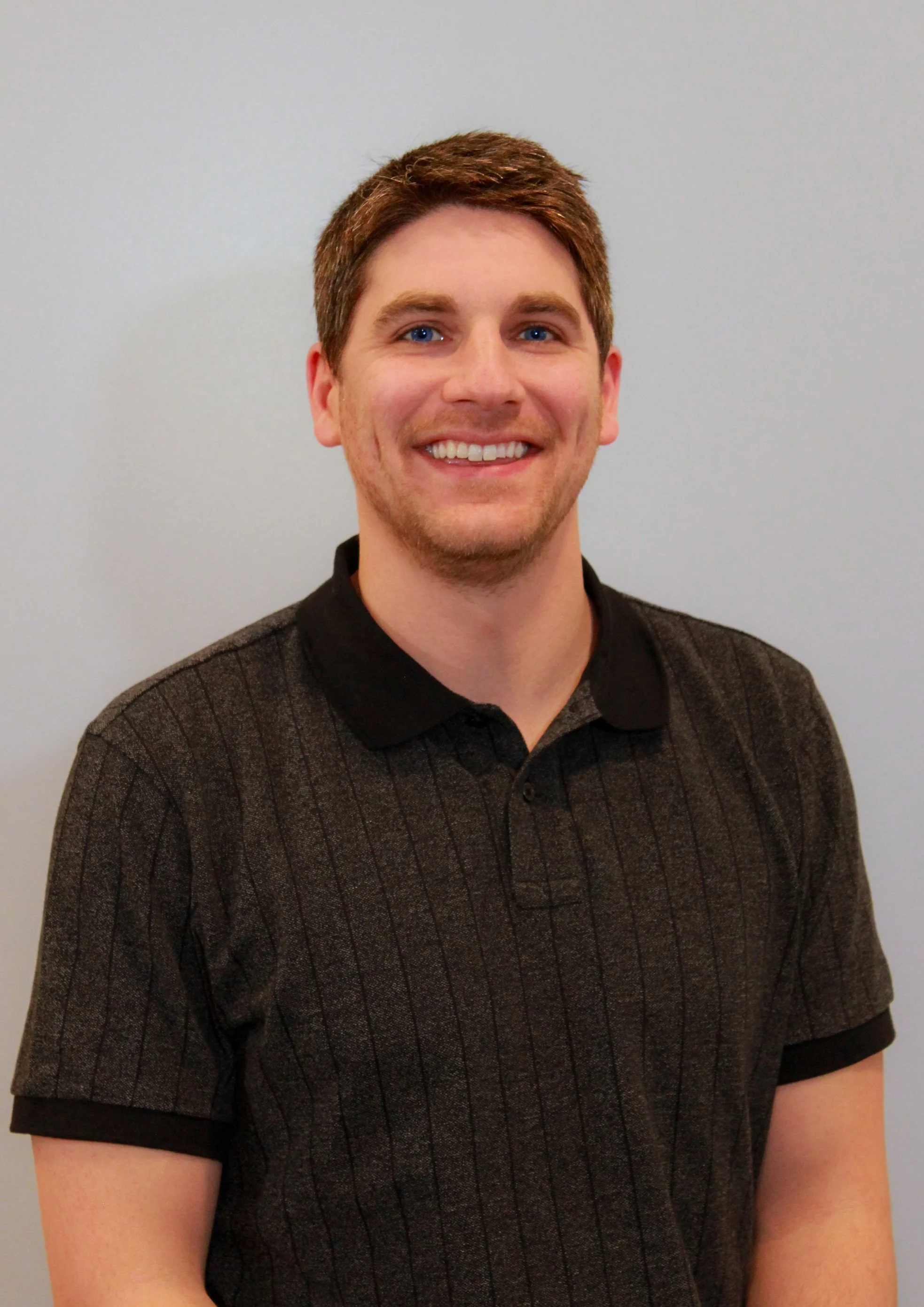
Justin Higgins
Program Coordinator | Connecticut ABI & Community-Based Disability Services
Justin Higgins serves as a Program Coordinator at The Supported Living Group (SLG), bringing a diverse background in human services, acquired brain injury support, intellectual and developmental disabilities, residential program management, supported employment, and community-based services.
His career includes progressive experience spanning direct support, employment services, behavioral residential management, and program leadership. This progression has provided Justin with a practical understanding of disability services from multiple perspectives—from direct interaction with individuals receiving services to supervising teams, coordinating care, managing programs, and ensuring that services are implemented consistently.
In his current role at SLG, Justin oversees community-based programs supporting individuals with acquired brain injuries and intellectual and developmental disabilities. His responsibilities include supervising and mentoring direct support professionals, coordinating multidisciplinary care teams, developing and implementing individualized care plans, overseeing staffing and daily operations, and supporting quality assurance and regulatory compliance.
Justin is committed to creating services that promote independence, safety, dignity, meaningful community participation, and improved quality of life.
Experience in Acquired Brain Injury and Community-Based Services
Justin has direct experience supporting individuals with acquired brain injuries (ABI) as both a Direct Support Professional and Program Coordinator.
His experience provides a practical understanding of how brain injury can affect everyday functioning, including:
Executive functioning
Memory and organization
Emotional regulation
Judgment and decision-making
Daily living skills
Community participation
Safety awareness
Employment
Independent living
Many of the effects of brain injury are not immediately visible. An individual may appear physically capable while experiencing significant challenges with planning, problem-solving, emotional regulation, or managing complex daily responsibilities.
Justin's direct-care and program-management experience allows him to understand these challenges from both the participant and organizational perspectives.
Direct Support Experience With ABI
Before moving into program leadership, Justin worked as a Direct Support Professional with The Supported Living Group, providing direct care and community-based support to individuals with developmental disabilities and acquired brain injuries.
His responsibilities included supporting:
Activities of daily living
Community integration
Individualized support plans
Personal goals
Daily routines
Functional independence
This direct-care experience provided Justin with a strong foundation in understanding how individualized services affect an individual's everyday life.
It also reinforced an important principle that continues to guide his leadership:
Effective disability services begin with understanding the individual, not simply the diagnosis.
Program Management and Operational Leadership
As a Program Coordinator, Justin oversees residential and community-based services while balancing the needs of participants, families, staff, clinical professionals, and external partners.
His responsibilities include:
Program operations
Staffing and scheduling
Staff supervision
Staff development
Care coordination
Incident reporting
Quality assurance
Regulatory compliance
Risk management
Service-plan implementation
Effective community-based services require more than assigning staff.
They require systems that ensure the right people understand the individual's goals, support needs, safety considerations, and preferences.
Justin's role is to help connect these systems and ensure services remain consistent with person-centered plans.
Person-Centered Planning and Care Plan Implementation
A central component of Justin's work is developing and implementing individualized care plans.
Person-centered planning focuses on:
Individual strengths
Personal goals
Preferences
Support needs
Safety
Community participation
Long-term independence
A care plan should not simply document what services a person receives.
It should explain how those services will help the individual achieve meaningful outcomes.
For a person with ABI, this may include goals related to:
Independent living
Employment
Community participation
Relationships
Transportation
Daily living skills
Emotional regulation
Justin works with participants, families, conservators, care managers, healthcare providers, and interdisciplinary teams to ensure those goals are incorporated into day-to-day services.
Multidisciplinary Care Coordination
Individuals receiving community-based disability services may have support networks that include:
Family members
Conservators
Care managers
Medical providers
Therapists
Behavioral professionals
Direct support professionals
Program leadership
Justin serves as an important connection between these groups.
His experience coordinating with families, conservators, healthcare providers, and interdisciplinary teams helps promote communication and continuity across the individual's support network.
This is particularly important for individuals with complex needs, where changes in health, behavior, housing, staffing, or functioning may require coordinated responses.
Staff Supervision, Training, and Development
High-quality disability services depend on knowledgeable and supported direct support professionals.
Justin supervises and mentors staff while helping ensure that employees understand:
Individual support plans
Participant goals
Safety requirements
Behavioral support strategies
Documentation expectations
Organizational policies
Regulatory requirements
Staff development is an ongoing process.
Effective supervision helps teams build consistency, recognize challenges early, and provide support that is aligned with the individual's needs.
Behavioral Support and Crisis Management
Justin has extensive experience in behavioral support, crisis intervention, de-escalation, and risk management.
His previous role as a Group Home Manager included responding to behavioral crises, implementing established behavior-support strategies, and helping staff maintain safe and structured environments.
Effective crisis management involves more than reacting to an emergency.
It also requires understanding:
Triggers
Early warning signs
Environmental factors
Communication needs
De-escalation strategies
Individual preferences
Preventive supports
The goal is always to prioritize safety while maintaining dignity and respect.
Residential Program Management
Before joining his current leadership role at SLG, Justin served as a Group Home Manager at Whole Life Inc., overseeing the operations of a behavioral residential program.
His responsibilities included:
Daily residential operations
Staff scheduling
Staff supervision
Medication oversight
Incident reporting
Regulatory compliance
Care-plan implementation
Community integration
Transportation
Appointment coordination
Family communication
This experience provided Justin with extensive knowledge of the practical demands associated with residential disability services.
It also strengthened his ability to manage complex situations while maintaining a structured and person-centered environment.
Supported Employment and Vocational Services
Justin also brings professional experience in supported employment and individualized job coaching through his work with Trillium Employment Services.
His vocational responsibilities included helping individuals:
Obtain competitive employment
Maintain employment
Develop workplace skills
Navigate employer expectations
Build successful workplace relationships
He worked collaboratively with employers, vocational rehabilitation professionals, families, and individuals to develop employment supports based on individual goals.
This experience provides an important connection between SLG's ABI services and its broader commitment to employment and community independence.
Military Leadership and Accountability
Before his career in human services, Justin served in the United States Navy as an Interior Communications Electrician.
His military service involved maintaining shipboard communications, alarm, and electrical systems while working within multidisciplinary teams in high-pressure environments.
The experience strengthened professional qualities that continue to inform his leadership, including:
Accountability
Teamwork
Precision
Problem-solving
Reliability
Mission-focused leadership
These skills translate naturally into program management, where staff teams must work collaboratively while maintaining high standards of safety and accountability.