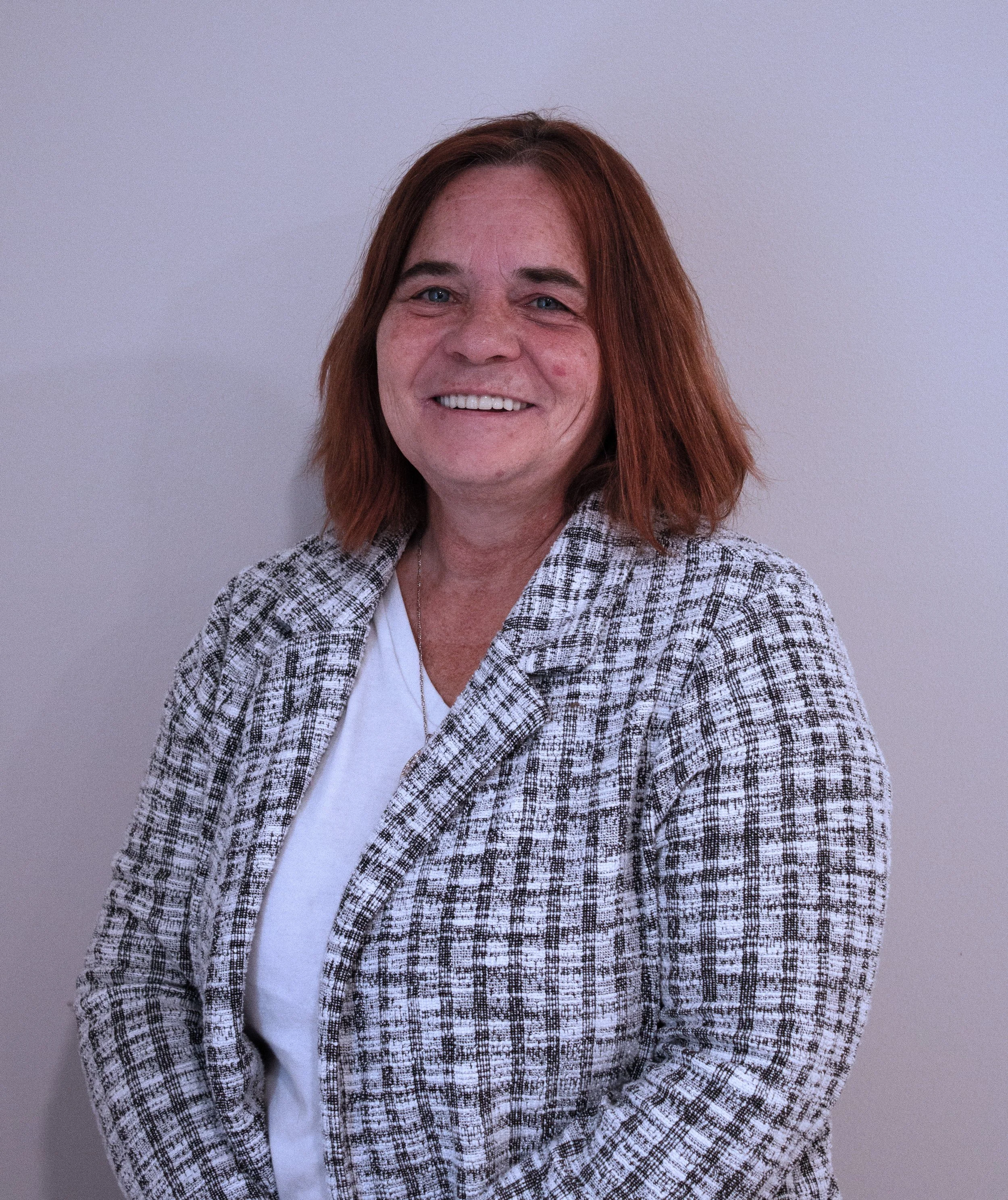
Roberta O’Donnell, B.A.
Regional Manager | Human Services Leader | Community-Based Disability Support
Roberta O’Donnell, B.A., serves as a Regional Manager at The Supported Living Group (SLG), bringing a diverse background in human services, emergency medical care, residential disability services, staff supervision, and community-based support.
Her career began in the human services field as a home health aide, where she developed an early understanding of the practical challenges faced by individuals with physical disabilities and the families supporting them. She later became an Emergency Medical Technician and subsequently worked as a Paramedic serving Bridgeport, Connecticut, before transitioning into healthcare administration and returning to human services.
Roberta ultimately specialized in supporting individuals with intellectual and physical disabilities in residential settings, where she progressed into supervisory roles before joining SLG's management team.
This combination of direct care, emergency medical experience, residential services, and leadership gives Roberta a broad perspective on the needs of individuals receiving community-based disability supports.
A Career Built Around Human Services and Community Support
Roberta has experience across multiple areas of the human services system, including:
Home-based support
Emergency medical services
Healthcare administration
Residential disability services
Staff supervision
Community-based disability support
Regional program leadership
This breadth of experience is particularly valuable in community-based services because individuals often have needs that extend across multiple systems.
A person may simultaneously require support related to:
Health and safety
Independent living
Community participation
Daily routines
Communication
Residential stability
Family collaboration
Roberta's varied professional background allows her to approach those needs from both a human services and health-and-safety perspective.
Emergency Medical Experience and Disability Services
Before returning to the human services field, Roberta became a certified Emergency Medical Technician and later worked as a paramedic in Bridgeport, Connecticut. She subsequently transitioned to an administrative position within Hartford Hospital before completing her bachelor's degree and returning to human services.
That experience provides a valuable understanding of the relationship between:
Health → safety → daily functioning → community support
Although SLG provides non-medical community-based services, awareness of health and safety considerations is an important component of effective disability support.
Residential Disability Services Experience
Following completion of her degree, Roberta returned to human services and specialized in supporting individuals with intellectual and physical disabilities in residential environments. Her professional philosophy and experience led to supervisory responsibilities involving staff education, motivation, and service oversight.
Residential experience provides an important understanding of the everyday realities individuals and families may encounter when support needs affect:
Household routines
Personal independence
Health and safety
Community participation
Social relationships
Staff consistency
This experience translates directly into community-based disability service leadership.
The Importance of Strong Frontline Leadership
Community-based disability services depend heavily on the quality of the professionals delivering support.
Regional and program leadership must ensure that teams understand:
The individual being supported
Their goals and preferences
Their health and safety considerations
Their daily routines
Their communication needs
Their support plan
Roberta's previous supervisory responsibilities included educating and motivating staff, providing a strong foundation for her current regional leadership role at SLG.
Person-Centered Disability Services
SLG's service philosophy is based on treating individuals as people first rather than defining them solely by a diagnosis or disability.
That philosophy means considering:
Individual preferences
Personal goals
Strengths
Support needs
Relationships
Community interests
Long-term independence
Roberta's background in residential and community disability services complements this person-centered approach by emphasizing the importance of both individual choice and reliable support systems.
Supporting Individuals With Intellectual and Developmental Disabilities
Roberta's residential-services background is particularly relevant to SLG's broader work supporting individuals with intellectual and developmental disabilities.
Support needs can vary significantly between individuals and may involve:
Independent living
Community participation
Communication
Daily routines
Social development
Health and safety
Behavioral support
High-quality services require individualized planning rather than a standardized model.
Connecting Residential Experience With Community Living
A major goal of community-based disability services is helping individuals participate successfully outside of institutional or highly restrictive environments.
That may include helping individuals:
Develop household routines
Access community activities
Maintain relationships
Participate in employment or education
Build daily living skills
Increase independence
Roberta's experience across home, residential, healthcare, and community environments gives her a broad understanding of the different settings in which support may need to be delivered.
Supporting Autism and Developmental Disability Services
Roberta's strongest documented specialization is broader intellectual and physical disability support, rather than a narrow autism clinical specialty. That distinction should be preserved for credibility.
However, her experience provides a valuable operational and community-services perspective within SLG's Connecticut ASD service model, particularly in areas involving:
Residential support
Independent living
Community participation
Family collaboration
Staff supervision
Health and safety
This complements SLG's more specialized autism expertise from its BCBA, neuropsychology, occupational therapy, and other clinical professionals.
Supporting Acquired Brain Injury Services
Roberta's profile should also connect to SLG's Connecticut ABI Knowledge Center, while avoiding claims that she is a neuropsychology or brain injury specialist unless her professional background supports that designation.
Her broader disability-services expertise is relevant to ABI areas such as:
Community living
Safety
Residential support
Staff training
Daily routines
Independence
Community participation
This is particularly useful because successful ABI services require not only clinical expertise but also strong operational implementation.
Health and Safety as Part of Community Support
Roberta's emergency medical background provides an additional perspective on the importance of safety within community-based services.
Effective disability support should consider:
Recognizing health concerns
Emergency preparedness
Safe environments
Communication between support professionals
Appropriate escalation when concerns arise
This is particularly important for individuals who may have difficulty recognizing or communicating their own health and safety needs.
Regional Leadership at The Supported Living Group
As a Regional Manager, Roberta contributes to SLG's broader network of community-based services throughout Connecticut.
SLG currently maintains executive offices in:
Danielson
Avon
Bethany
and provides non-medical support services for individuals with acquired and traumatic brain injury, autism and developmental disabilities, personal care needs, eldercare needs, and private-pay support needs.
Roberta's regional leadership contributes to the organization's ability to maintain consistent service standards while responding to the individual needs of the communities it serves.
Why Leadership Experience Matters When Choosing a Disability Provider
Families evaluating disability service providers should consider more than whether an organization has staff available.
They should also consider:
Leadership experience
Staff supervision
Safety systems
Residential expertise
Community presence
Understanding of individual support needs
Roberta's career demonstrates experience across the frontline, supervisory, healthcare, residential, and management sides of human services.