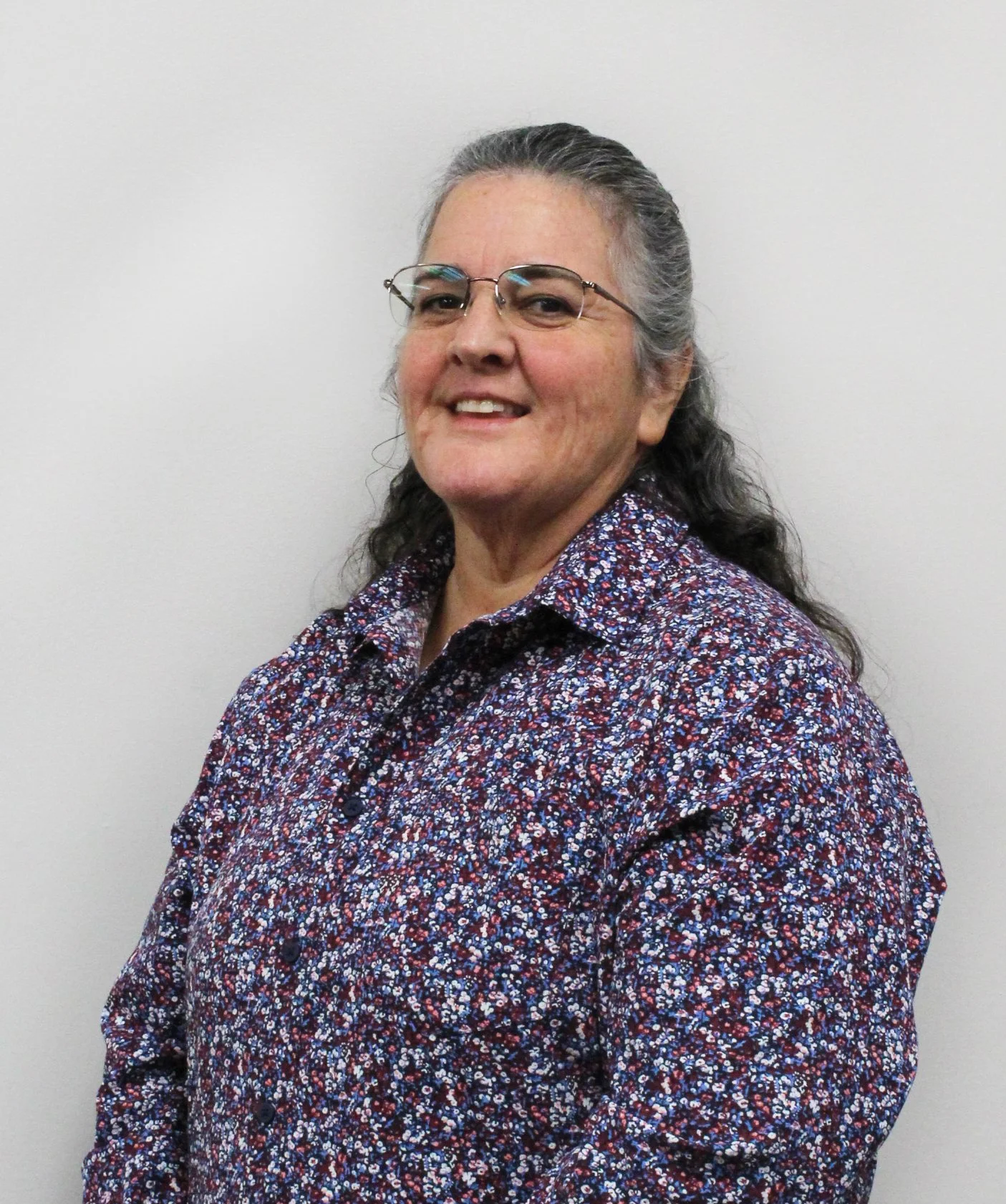
Tracy Brule, B.M.
Regional Manager | Developmental Disability Services Leader | Eastern Connecticut
Tracy Brule serves as a Regional Manager at The Supported Living Group (SLG), bringing more than three decades of experience in Connecticut human services, residential programming, day services, and community-based support for individuals with developmental disabilities.
Tracy began her human services career in 1985, working as part of a specialized recreational team supporting adults and children with developmental disabilities. Over the course of her career, she has supported hundreds of individuals across residential and day-program settings in Connecticut, New Hampshire, and South Carolina, progressing into supervisory and leadership positions.
She joined The Supported Living Group in September 2022, bringing more than three decades of specialized developmental disability experience to SLG's services throughout Eastern Connecticut.
Decades of Experience in Connecticut Human Services
Tracy's career provides her with an unusually deep understanding of the developmental disability service system.
Her experience includes work in:
Residential programs
Day programs
Community-based services
Recreational programming
Staff supervision
Program leadership
Disability advocacy and oversight
This breadth of experience has allowed Tracy to work with individuals across different stages of life and levels of support need.
Her approach emphasizes helping individuals identify opportunities for:
Personal growth
Skill development
Community participation
Increased confidence
Greater independence
Extensive Connecticut DDS Experience
One of Tracy's most important professional differentiators is her previous service as a DDS Abuse and Neglect Investigator for the State of Connecticut.
This experience provides a unique perspective on:
Participant safety
Quality of services
Staff responsibilities
Abuse and neglect prevention
Professional accountability
Rights of individuals receiving disability services
That background is particularly relevant to Tracy's current leadership role because quality community-based services depend on more than good intentions.
They require systems that protect dignity, safety, choice, and individual rights.
Understanding the Connecticut Developmental Disability Service System
Having spent decades working within developmental disability services, Tracy understands the realities of delivering support within community settings.
Individuals may require assistance with:
Daily living skills
Community participation
Social development
Recreation
Residential stability
Health and safety
Communication
Personal goals
Effective support requires understanding both the individual and the systems surrounding them.
Tracy's experience allows her to approach service delivery with an understanding of how residential, day, community, and administrative systems intersect.
Leadership Across Residential and Day Programs
Tracy's professional background includes decades of experience in both residential and day-program environments.
This is important because individuals may have very different support needs depending on where services are being provided.
Residential support may involve:
Household routines
Safety
Health needs
Relationships
Community participation
Day programming may focus more heavily on:
Skill development
Recreation
Socialization
Community activities
Personal interests
Vocational or educational goals
Experience across both settings helps Tracy understand the importance of continuity between different areas of an individual's life.
Supporting Individuals Through Meaningful Community Participation
Tracy's professional philosophy emphasizes creativity, humor, personal growth, and recognizing opportunities for “teachable moments.”
This approach reflects an important principle of community-based disability services:
Everyday experiences can become opportunities for learning and independence.
A grocery trip can become an opportunity to work on:
Communication
Budgeting
Decision-making
A community event can provide opportunities for:
Social interaction
Self-advocacy
Confidence
A daily household routine can become an opportunity to develop:
Organization
Responsibility
Independence
Safety, Training, and Professional Development
Tracy's professional experience extends beyond direct service delivery.
She served for more than 15 years as a Red Cross First Aid and CPR Instructor, providing education and training to others. She has also worked as a Dysphagia Instructor, adding additional health and safety knowledge to her human-services background.
These experiences reinforce the importance of staff education and preparedness within community-based disability services.
Quality support depends upon professionals who understand not only the individual's goals, but also the practical responsibilities associated with maintaining health and safety.
Supporting Autism and Developmental Disability Services in Connecticut
Although Tracy's professional background extends across the full developmental disability field, her current regional leadership also supports SLG's growing Connecticut autism and ASD service model.
Autistic individuals and people with developmental disabilities may require individualized support related to:
Independent living
Social participation
Communication
Emotional regulation
Community access
Employment preparation
Daily routines
Tracy's experience within Connecticut's developmental disability system provides important operational and community-based expertise for these services.
Eastern Connecticut Leadership
Tracy joined SLG specifically bringing her extensive developmental disability experience to the organization's Eastern Connecticut service population.
Her regional role helps SLG maintain local knowledge and leadership while delivering services within a broader statewide organization.
This combination of regional presence and statewide infrastructure is important for individuals and families seeking disability services in Eastern Connecticut.
Music, Education, and Human Services
Tracy earned a Bachelor's degree in Music Education from Keene State College. Music has remained an important personal interest throughout her life, and she has incorporated creativity, entertainment, and engagement into her professional approach to human services.
Her background reflects the value of incorporating personal interests into community-based disability services.
Individuals receiving services should have opportunities to explore:
Music
Arts
Recreation
Social activities
Personal interests
Meaningful support is not limited to completing daily tasks.
It is also about helping people create lives that are engaging and fulfilling.
Person-Centered Leadership at SLG
Tracy's leadership reflects SLG's broader commitment to person-centered support.
This means understanding:
What matters to the individual
What the individual enjoys
What skills they want to develop
What independence means to them
What relationships and community connections matter
Rather than defining an individual by a diagnosis or level of disability, person-centered services focus on the person's strengths, preferences, and goals.
Why Developmental Disability Experience Matters
Families choosing a disability services provider should consider more than the availability of staff.
They should also ask:
Does the provider understand developmental disabilities?
Does leadership have direct service experience?
Does the organization understand residential and community supports?
How does the provider approach safety?
How are staff trained?
Does the organization promote independence and choice?
Tracy's career provides experience across many of these areas, from direct support and residential programming through state oversight and regional leadership.
Tracy Brule and the Connecticut ASD Knowledge Center
Tracy's background makes her an important developmental disability and community-services authority supporting SLG's Connecticut ASD Knowledge Center.
Her experience is particularly relevant to educational content addressing:
Connecticut Autism Services
Connecticut ASD Waiver resources
Choosing an Autism Provider
Adult autism services
Independent living
Community integration
Family questions about autism supports
Developmental disability service navigation
Her professional perspective adds important system-level depth to SLG's autism content.
Tracy Brule and SLG's Multidisciplinary Model
Tracy works within SLG's broader team of professionals whose expertise includes:
Neuropsychology
Occupational therapy
Behavior analysis
Counseling
Brain injury rehabilitation
Developmental disability services
Community-based support
Her role adds a developmental disability operations and regional-services perspective to that multidisciplinary structure.
The resulting model brings together:
Clinical expertise + developmental disability experience + regional leadership + community-based support