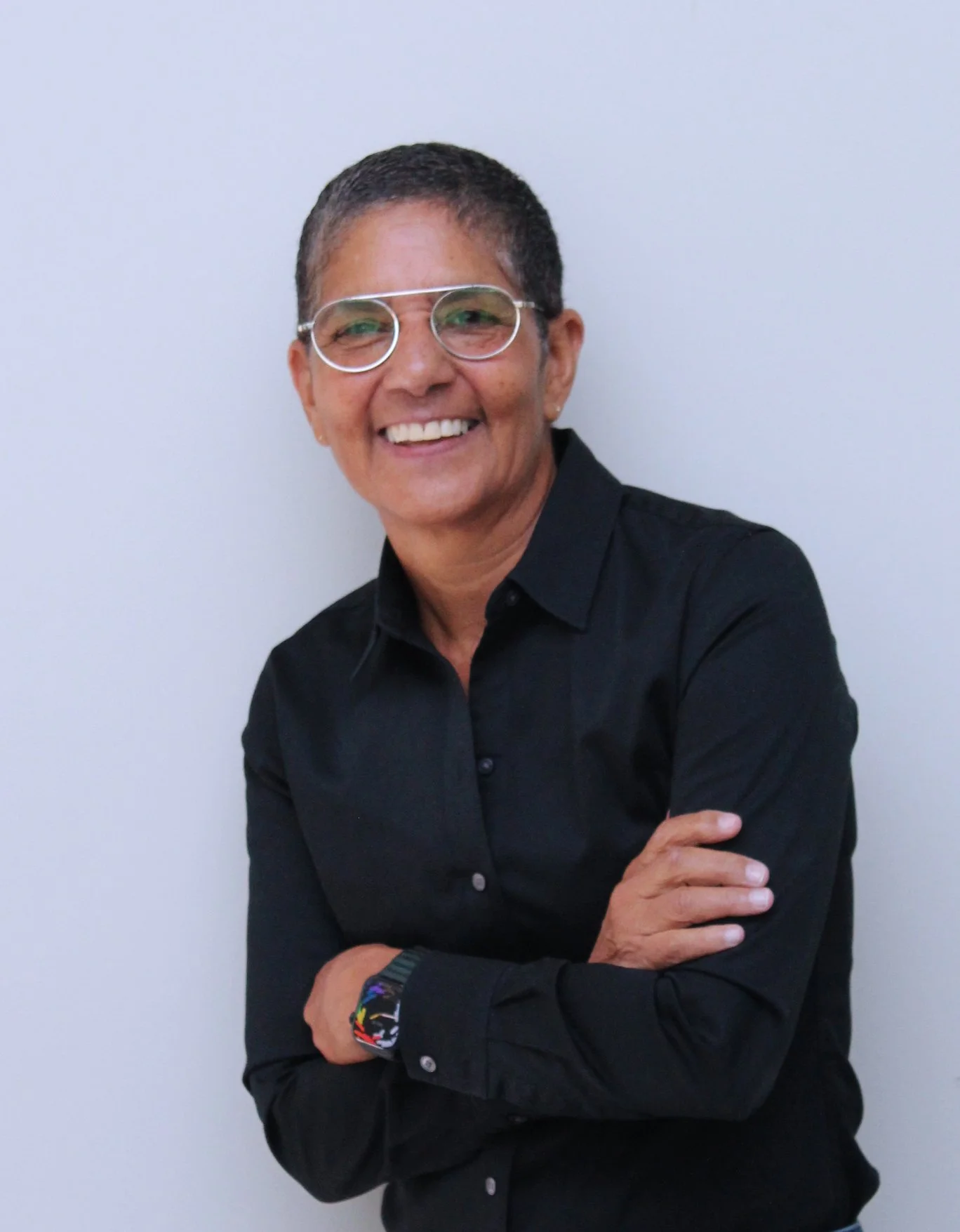
Tracy Gomes, M.A.
Occupational Therapist | Rehabilitation Leader | Brain Injury & Functional Independence Specialist
Tracy Gomes, MA, OTR/L, is an Occupational Therapist and CBT professional at The Supported Living Group (SLG), bringing more than two decades of rehabilitation, clinical leadership, program development, and healthcare experience to SLG's multidisciplinary support model. Tracy joined SLG's clinical team in June 2023 after a career spanning occupational therapy, rehabilitation leadership, skilled nursing, healthcare administration, utilization review, and clinical program development.
Her current work at SLG focuses on supporting individuals with acquired and traumatic brain injuries, with an emphasis on individualized rehabilitation, interdisciplinary collaboration, therapeutic relationships, and functional outcomes.
Extensive Occupational Therapy and Rehabilitation Experience
Tracy began her rehabilitation career in 1999, earning an Associate of Science degree in Occupational Therapy from Lasell College in Newton, Massachusetts. Her early clinical experience included occupational therapy groups for adolescents receiving mental health services at Carney Hospital in Boston.
She subsequently earned a bachelor's degree in Liberal Arts from Bay Path College and a Master's degree in Education with a concentration in Occupational Therapy from Springfield College in 2005.
This educational and clinical background provides Tracy with a strong foundation in occupational therapy, behavioral health, rehabilitation, and functional skill development.
Occupational Therapy and Functional Independence
Occupational therapy is particularly relevant to community-based disability services because it focuses on helping individuals participate successfully in the activities that make up everyday life.
For individuals with ABI, TBI, autism, and other disabilities, functional challenges may affect:
Daily routines
Organization
Planning
Community participation
Social interaction
Household responsibilities
Employment
Independent living
Tracy's occupational therapy perspective supports SLG's broader goal of translating rehabilitation principles into practical strategies that individuals can use in their homes and communities.
Brain Injury Rehabilitation Expertise
Since joining SLG, Tracy has applied her extensive rehabilitation background to supporting individuals with brain injuries. Her current profile specifically describes her as an important clinical resource for brain injury survivors throughout Connecticut.
Brain injury can affect much more than physical functioning.
Individuals may experience challenges related to:
Executive functioning
Memory
Attention
Cognitive fatigue
Emotional regulation
Problem-solving
Safety awareness
Community participation
A rehabilitation professional with extensive clinical and program-development experience can help connect these challenges with practical strategies for everyday independence.
Occupational Therapy and the Connecticut ABI Waiver
The Connecticut ABI Waiver supports individuals whose acquired brain injuries result in ongoing functional and support needs in the community.
Effective ABI services often require an understanding of how neurological changes affect practical functioning.
Occupational therapy contributes an important perspective by considering the interaction between:
The individual → the activity → the environment
This can help identify strategies that make everyday activities more manageable and meaningful.
At SLG, Tracy's rehabilitation expertise complements the organization's broader ABI clinical and community support model.
Experience Supporting Individuals With Autism and Learning Disabilities
Tracy also has previous clinical experience working with adolescents with learning disabilities and autism, including providing therapeutic interventions tailored to individual needs.
This background creates a valuable connection between SLG's Connecticut ABI Knowledge Center and emerging Connecticut ASD Knowledge Center.
Autistic individuals and individuals with brain injuries may both experience challenges involving:
Executive functioning
Adaptive skills
Emotional regulation
Communication
Routine management
Community participation
The underlying causes and appropriate interventions can differ substantially, which makes individualized assessment and support particularly important.
Rehabilitation Leadership and Program Development
Tracy's career extends beyond direct clinical practice.
She has held leadership positions including:
Director of a Rehabilitation Department within a Visiting Nurse Association
Program Manager within skilled nursing facilities
Clinical development and mentoring roles
She has also developed specialized rehabilitation programming, including an outpatient amputee program.
This experience gives Tracy expertise not only in providing rehabilitation services, but also in understanding how effective clinical programs are designed, implemented, supervised, and evaluated.
Clinical Training and Professional Development
Throughout her career, Tracy has placed significant emphasis on developing other rehabilitation professionals.
Her experience includes:
Developing clinical staff
Creating training programs
Supervising occupational therapy students
Mentoring therapists
Supporting interdisciplinary teams
This background is particularly relevant to SLG because community-based disability services depend heavily on ensuring direct support professionals understand the unique needs of the individuals they serve.
Health Plan and Utilization Review Experience
One of Tracy's less common areas of expertise is her experience working within major health insurance organizations, including UnitedHealthcare, Humana, and Blue Cross Blue Shield.
In those roles, she reviewed medical records, assessed medical necessity, evaluated levels of care, and authorized skilled nursing and rehabilitation services.
This provides Tracy with a perspective that extends beyond direct clinical care.
She has experience understanding:
Medical necessity
Level-of-care decisions
Rehabilitation utilization
Clinical documentation
Service authorization
Healthcare system requirements
That background can be particularly valuable when working with complex rehabilitation cases and interdisciplinary teams.
Building Strong Therapeutic Relationships
Tracy's current work at SLG emphasizes the importance of long-term therapeutic relationships and collaboration with interdisciplinary care teams.
This is especially important for individuals with ABI because successful community rehabilitation often depends on consistency, trust, and understanding the individual's unique history.
Rather than focusing exclusively on what a person cannot do, effective rehabilitation looks at:
Existing strengths
Functional goals
Barriers to participation
Environmental factors
Strategies that promote success
A Multidisciplinary Approach to Community-Based Rehabilitation
Tracy is part of SLG's broader multidisciplinary clinical model, which brings together professionals with expertise across rehabilitation, neuropsychology, counseling, behavioral support, and community-based disability services.
Her occupational therapy background complements the expertise of other SLG professionals by providing a strong functional and environmental perspective.
Together, these disciplines help connect:
Clinical knowledge → functional skills → community participation → independence
That connection is especially important for individuals transitioning from institutional or clinical rehabilitation settings into everyday community life.
Why Occupational Therapy Matters After Brain Injury
A person may successfully complete a hospital-based rehabilitation program and still experience significant difficulty managing everyday life.
For example, someone may physically be able to prepare a meal but struggle with:
Planning
Sequencing
Organization
Time management
Safety awareness
Similarly, someone may physically be able to return to work but require strategies for:
Cognitive fatigue
Scheduling
Task organization
Workplace communication
Occupational therapy helps bridge the gap between ability in a clinical environment and successful participation in real life.
Tracy Gomes and the Connecticut ABI Knowledge Center
Tracy's experience makes her an important professional authority supporting SLG's educational focus on brain injury rehabilitation.
Her expertise is particularly relevant to Knowledge Center topics such as:
Community Reintegration After TBI
Brain Injury Executive Dysfunction
Brain Injury and Driving
Returning to College After Brain Injury
Supported Employment After Brain Injury
Housing After Brain Injury
Independent Living After Brain Injury
These topics all involve the central occupational therapy question:
How can an individual successfully participate in meaningful everyday activities after injury or disability?