Connecticut ABI Waiver Eligibility: Who Qualifies for the ABI Waiver?
Understanding whether you or a loved one may qualify for the Connecticut Acquired Brain Injury (ABI) Waiver can be an important first step toward accessing community-based supports designed to promote independence, safety, and quality of life after brain injury.
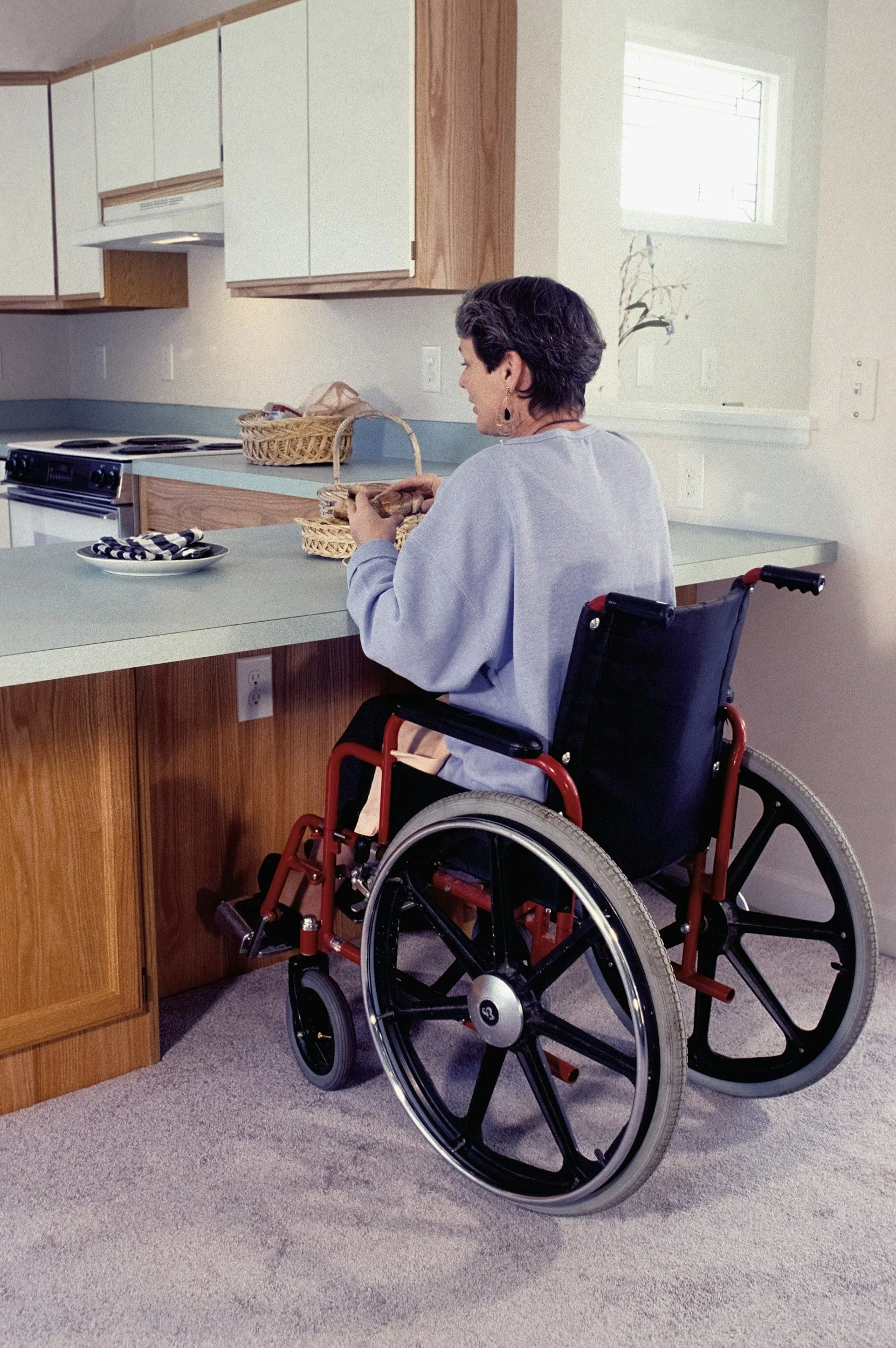
The Connecticut ABI Waiver is a Medicaid Home and Community-Based Services (HCBS) waiver program designed to support eligible adults with acquired brain injuries who require assistance to live successfully within their homes and communities.
Unlike traditional medical rehabilitation programs that focus primarily on recovery immediately following an injury, the ABI Waiver provides ongoing supports that help individuals navigate the long-term cognitive, behavioral, emotional, and functional changes that may occur after an acquired brain injury.
Understanding eligibility requirements can help individuals, families, healthcare providers, and referral partners determine whether the ABI Waiver may be an appropriate resource.


What Are the Basic Eligibility Requirements for the Connecticut ABI Waiver?


Eligibility for the Connecticut ABI Waiver is determined through a combination of factors, including an individual's diagnosis, functional needs, financial eligibility, and ability to safely benefit from community-based services.
While eligibility decisions are made by the Connecticut Department of Social Services (DSS), individuals typically must meet several key requirements.
These may include:
1. The Individual Must Have an Acquired Brain Injury
The ABI Waiver is intended for adults who have experienced an acquired brain injury after birth.
Examples of qualifying acquired brain injuries may include:
Traumatic brain injury (TBI) caused by:
Motor vehicle accidents
Falls
Sports injuries
Assaults
Other traumatic events
Non-traumatic brain injuries caused by:
Stroke
Brain tumors
Oxygen deprivation (anoxic or hypoxic injury)
Certain infections affecting the brain
Other neurological events
An acquired brain injury does not only refer to physical damage. Many individuals experience ongoing cognitive, behavioral, emotional, and executive functioning challenges that significantly impact daily life.
2. The Individual Must Demonstrate Functional Support Needs
A diagnosis alone does not determine ABI Waiver eligibility.
The ABI Waiver is designed for individuals who require assistance due to the impact of their brain injury on their ability to function independently.
Support needs may include challenges with:
Managing daily routines
Organizing and initiating tasks
Memory and learning new information
Problem solving and decision making
Safety awareness
Medication management
Emotional regulation
Community navigation
Maintaining employment or education goals
Managing relationships and social interactions
Completing household responsibilities
Many individuals with brain injuries experience what are often referred to as invisible disabilities. A person may appear physically independent while still requiring significant support due to cognitive or behavioral changes.
3. The Individual Must Require a Level of Support That Can Be Provided Safely in the Community
The ABI Waiver is a community-based alternative designed to help individuals remain outside institutional settings when appropriate supports are available.
Eligibility considerations may include whether an individual:
Can benefit from community-based services
Requires ongoing supports to maintain independence
Has goals that can be addressed through waiver services
Can safely participate in an individualized service plan
The purpose of the waiver is not simply to provide assistance—it is to help individuals develop skills, maintain independence, and participate meaningfully within their communities.
4. Financial Eligibility Requirements Must Be Met
Because the Connecticut ABI Waiver is a Medicaid-funded program, applicants must meet financial eligibility requirements established by the Connecticut Department of Social Services.
Financial eligibility requirements may include considerations related to:
Income
Assets
Medicaid eligibility status
Because Medicaid rules can be complex and individual circumstances vary, applicants and families are encouraged to work directly with DSS or qualified professionals familiar with Connecticut Medicaid programs.
5. The Individual Must Be Age Eligible
The Connecticut ABI Waiver is designed for adults with acquired brain injuries.
Specific age requirements and program criteria are determined by DSS and may change over time. Individuals and families should confirm current eligibility requirements directly through official DSS resources or through knowledgeable ABI Waiver professionals.
Common Misunderstandings About ABI Waiver Eligibility
“If someone looks fine, they may not qualify.”
This is one of the most common misconceptions about brain injury.
Many ABI-related challenges are not immediately visible. Difficulties with executive functioning, judgment, emotional regulation, memory, fatigue, and safety awareness can significantly affect independence even when physical abilities appear intact.
“A person must be unable to live independently.”
The ABI Waiver is not only for individuals who cannot complete tasks independently.
Many participants benefit from supports designed to maintain independence, prevent decline, increase skills, and help individuals achieve personal goals.
“The ABI Waiver is only for physical disabilities.”
Acquired brain injury often affects far more than physical functioning.
The waiver recognizes the impact of cognitive, behavioral, emotional, and neurological changes that can affect everyday life.

What Happens After Someone Applies for the ABI Waiver?
After an application is submitted, DSS reviews eligibility requirements and determines whether the individual meets program criteria.
If approved, participants work with their care team to develop an individualized service plan based on:
Personal goals
Functional needs
Desired outcomes
Available supports
Community participation goals
Services are designed around the individual rather than a one-size-fits-all model.
What Services Can Eligible ABI Waiver Participants Receive?
Depending on individual needs and approved service plans, ABI Waiver services may include supports such as:
Companion Supports
Supported Employment Services
Cognitive and behavioral supports
Skill development and rehabilitation supports
The purpose of these services is to help individuals build independence, increase confidence, and participate more fully in their communities.

Choosing an ABI Waiver Provider in Connecticut
Once an individual is approved for the ABI Waiver, selecting the right provider becomes an important part of the process.
Families and participants should consider:
Does the provider specialize in acquired brain injury?
Does the organization understand executive functioning challenges?
Are services individualized?
Does the provider focus on long-term independence?
Are vocational and community opportunities available?
Does the organization collaborate with families, care managers, and clinical professionals?
The right provider should view the participant as a whole person—not simply as a diagnosis or list of support needs.

How The Supported Living Group Supports ABI Waiver Participants
At The Supported Living Group (SLG), we provide community-based services designed to support adults living with acquired brain injuries throughout Connecticut.
Our approach focuses on helping individuals identify goals that are meaningful to them while providing individualized supports that promote independence, community participation, employment opportunities, and quality of life.
Through experienced staff, clinical collaboration, vocational supports, community-based programming, and person-centered planning, SLG partners with participants and families throughout their ABI recovery journey.
If you are exploring whether the Connecticut ABI Waiver may be appropriate for yourself or someone you support, our team can help provide information about available services and next steps.

Frequently Asked Questions About ABI Waiver Eligibility
How do I know if I qualify for the Connecticut ABI Waiver?
Eligibility is based on several factors, including acquired brain injury diagnosis, functional support needs, Medicaid eligibility, and the ability to benefit from community-based services.
Can someone with a traumatic brain injury qualify for the ABI Waiver?
Yes. Traumatic brain injuries are among the most common reasons individuals seek ABI Waiver services.
Can someone work while receiving ABI Waiver services?
Yes. Many individuals receiving ABI Waiver supports pursue employment, education, volunteering, and community activities as part of their goals.
Is the ABI Waiver only for people with physical disabilities?
No. Many ABI Waiver participants experience cognitive, behavioral, emotional, and executive functioning challenges that may not be physically visible.
Where are ABI Waiver services available in Connecticut?
The Connecticut ABI Waiver serves eligible individuals throughout the state. Availability of specific providers and services may vary by location.
Understanding whether you or a loved one may qualify for the Connecticut Acquired Brain Injury (ABI) Waiver can be an important first step toward accessing community-based supports designed to promote independence, safety, and quality of life after brain injury.
The Connecticut ABI Waiver is a Medicaid Home and Community-Based Services (HCBS) waiver program designed to support eligible adults with acquired brain injuries who require assistance to live successfully within their homes and communities.The Connecticut ABI Waiver is a Medicaid Home and Community-Based Services (HCBS) waiver program designed to support eligible adults with acquired brain injuries who require assistance to live successfully within their homes and communities.