
Understanding Activities of Daily Living (ADLs): A Critical Factor in Connecticut's ABI Waiver Program Eligibility
Navigating Connecticut's ABI Waiver Program can be challenging, particularly when it comes to understanding Activities of Daily Living (ADLs) and how they impact eligibility. This comprehensive guide explores the six core ADLs, how traumatic and acquired brain injuries can affect a person's ability to complete them safely and independently, and why cognitive impairments are often overlooked during assessments. Whether you are a brain injury survivor, family member, caregiver, conservator, or rehabilitation professional, this article provides valuable insight into ABI Waiver eligibility, community-based supports, and the realities of living with a brain injury in Connecticut.

When One Assessment Shapes a Life: Why Care Management Decisions Matter in Connecticut’s ABI Waiver System
Care management decisions can significantly influence the success of individuals living with brain injury in Connecticut's ABI Waiver program. Learn why person-centered planning, interdisciplinary collaboration, and accurate assessment are critical to community stability.

The Universal Assessment Tool and Connecticut’s ABI Waiver System: Are We Truly Seeing the Whole Person?
Explore growing concerns surrounding Connecticut’s Universal Assessment Tool (UAT) and its impact on ABI Waiver participants, person-centered planning, and disability justice. This article examines whether standardized assessments and limited care manager contact can truly capture the complex cognitive, emotional, behavioral, and environmental needs of individuals living with brain injury. Learn how the current system may affect service planning, goal attainment, provider accountability, and long-term outcomes for Connecticut residents with disabilities.

When a Support Provider’s Website Isn’t Accessible: Why Digital Accessibility Matters in Brain Injury & Disability Services
Learn why website accessibility matters when searching for brain injury support services in Connecticut. This article explores how inaccessible provider websites can create barriers for individuals with traumatic brain injuries, cognitive disabilities, and neurological conditions, while outlining what an accessible disability services website should include to support inclusion, independence, and equitable access to care.

Conflict-Free Case Management Under the Connecticut ABI Waiver: How to Choose the Right Brain Injury Provider and Clinician
Learn how Connecticut ABI Waiver conflict-free case management protects your right to choose brain injury providers and clinicians. This guide explains how to select qualified ABI Waiver services, including neuropsychologists, psychologists, and CBT providers, while ensuring informed, independent decision-making under the CT ABI Waiver Program.

Title: The Hidden Wave: How the Fentanyl Crisis Is Reshaping Brain Injury Support Needs in Connecticut
The fentanyl crisis is driving a hidden surge in hypoxic brain injuries, creating a new population of survivors who fall outside traditional ABI Waiver eligibility in Connecticut. Despite lacking ADL deficits, these individuals face significant cognitive, behavioral, and IADL challenges that put them at high risk for relapse and instability. Learn how The Supported Living Group (SLG) is leading advocacy and innovative brain injury support solutions to address this growing gap in care.


Brain Injury in Connecticut: How Romantic Relationships and Connection Are Affected — and Why Support Matters
Discover how brain injury can affect romantic relationships and intimacy. The Supported Living Group provides compassionate brain injury support services in Connecticut, helping adults rebuild connection, independence, and confidence while avoiding infantilization.

ABI Waiver Eligibility in Connecticut: Are Two ADLs Still Enough?
As Connecticut sees rising numbers of individuals living with complex traumatic brain injuries, questions are emerging about whether current ABI Waiver eligibility criteria truly reflect long-term support needs. This article explores whether reliance on Activities of Daily Living (ADLs) remains an effective gateway to services and highlights the growing need for brain injury-informed assessments. The Supported Living Group shares expert insight into ABI Waiver access, long-term brain injury care, and community-based supports across Connecticut.

Winter Challenges for Brain Injury Survivors in Connecticut: Financial, Medical, and Care Support Risks
Winter can create unique challenges for brain injury survivors in Connecticut. From increased financial stress and medical vulnerabilities to disruptions in home- and community-based brain injury support services, cold weather can impact daily life and recovery. Learn how The Supported Living Group helps brain injury survivors maintain safety, independence, and quality of life throughout the winter months.
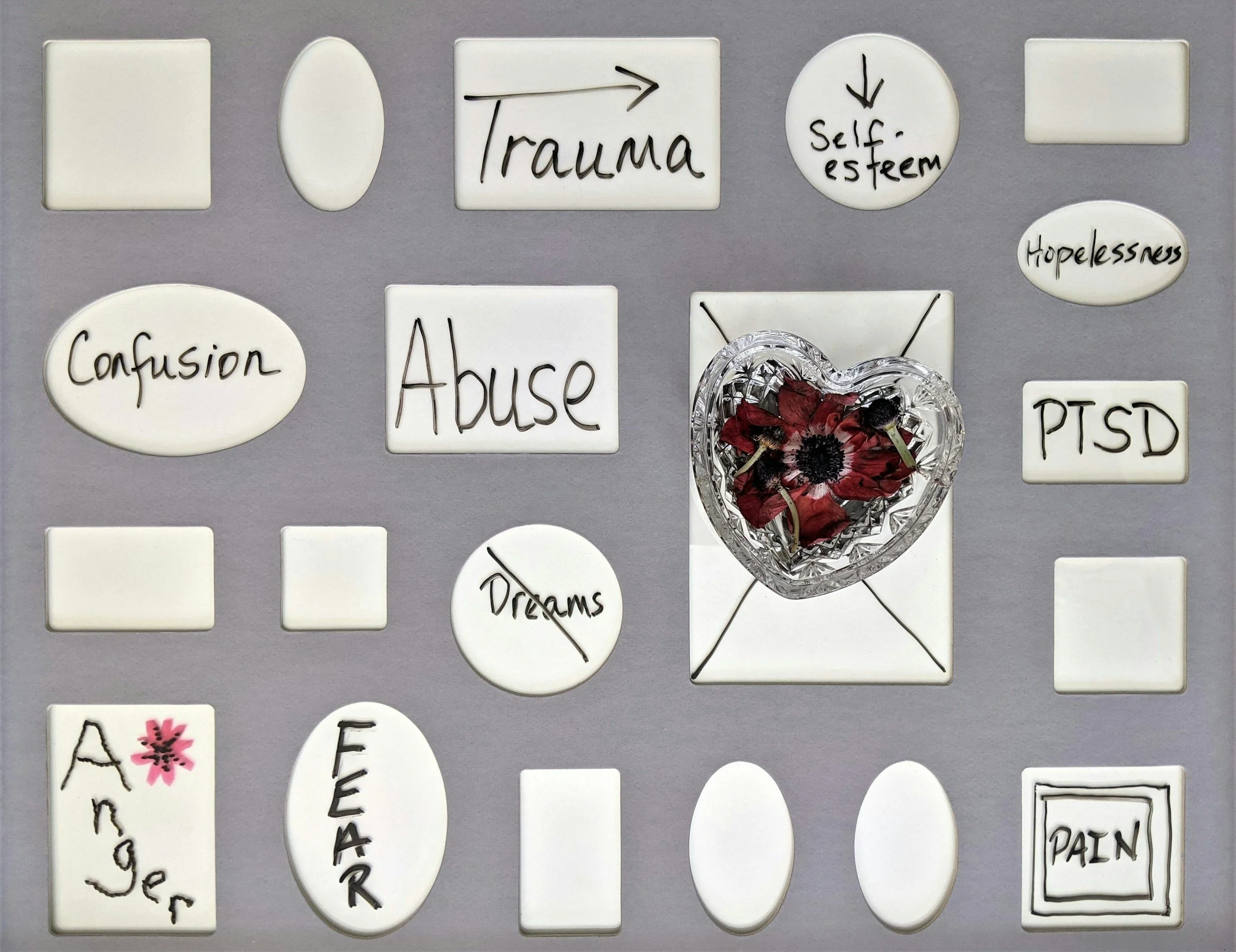
Why Trauma-Informed Care Matters in Community-Based Brain Injury Services.
Trauma-informed care is critical in Connecticut’s community-based brain injury services. Learn what ABI survivors and families should ask when choosing a provider.

New Research Shows Hidden Brain Injury Crisis in Domestic Violence Survivors.
New research reveals how repeated concussion and strangulation in domestic violence can cause lasting brain injury. Learn what this means for survivors.

The Impact of the Holidays on Individuals Living With Brain Injury — and How to Navigate the Season With Support
Holiday Stress and Brain Injury: How to Navigate the Season With Support
The holiday season can be especially challenging for individuals living with brain injury. Increased social demands, sensory overload, fatigue, and emotional stress can intensify symptoms and make traditional celebrations overwhelming. This article explores the impact of the holidays on brain injury survivors and offers practical strategies to reduce stress, maintain routine, and prioritize well-being. Learn how person-centered, community-based brain injury support services can help individuals and families navigate the season with confidence, compassion, and meaningful connection.

When Families Aren’t Prepared: The Hidden Consequences of Inadequate Education After a Brain Injury.
When a loved one sustains an acquired brain injury (ABI), life changes instantly—and permanently. Yet despite the profound cognitive, behavioral, medical, and emotional needs that follow a brain injury, families are often discharged from hospitals or inpatient rehabilitation with minimal education, limited preparation, and an overwhelming expectation to “figure it out” at home.
As Connecticut’s largest provider of community-based ABI Waiver services, we at The Supported Living Group see the consequences of this systemic gap every day. Families who desperately want to support their loved one simply haven’t been given the information, training, or guidance they need. And the impact—on safety, stability, finances, and long-term outcomes—is significant.

How the SNAP “Freeze” Could Impact Brain Injury Survivors and How SLG Can Help
A SNAP benefits freeze threatens food security for millions — including brain injury survivors who rely on stable nutrition for recovery. Learn the likely impacts, policy context, and how The Supported Living Group’s non-medical supports can help families bridge gaps. Keywords: SNAP freeze, SNAP benefits 2025, food insecurity, brain injury survivors, nutritional support, The Supported Living Group.

What Mental Health Day 2025 Should Mean for Brain Injury Survivors
his World Mental Health Day, let’s talk about the survivors we often forget — those living with brain injury.
Brain injury survivors face unique emotional and psychological challenges that typical mental health systems often overlook. From depression and anxiety to identity loss and social isolation, recovery requires more than rehabilitation — it requires compassion, understanding, and trauma-informed mental health care.
Read our latest blog to explore why Mental Health Day 2025 must include brain injury survivors, the systemic barriers they face, and how Connecticut can lead the way toward truly integrated, person-centered support.

Understanding the Connecticut ABI Waiver: A Pathway to Community-Based Brain Injury Support
Learn how Connecticut’s ABI Waiver helps brain injury survivors live independently. Discover eligibility, services, and how SLG can help you apply.

Addressing the Silent Crisis: Brain Injury and Veteran Suicide
Veterans, Brain Injury, and Suicide: Why Connecticut Must Act
Brain injuries among veterans aren’t just physical—they can profoundly affect mental health, increasing the risk of suicide. Recent studies show post-9/11 veterans with traumatic brain injuries are far more likely to die by suicide than their peers. In Connecticut, organizations like the Supported Living Group (SLG) are providing person-centered care, helping veterans rebuild their lives with tailored support and rehabilitation.
Discover how CT communities can support veterans with brain injuries, the latest research on suicide prevention, and actionable steps to make a real difference.
Read the full post to learn more.

Breaking Down Barriers: Supporting ABI Survivors Experiencing Homelessness
Living with a brain injury is challenging enough, but when combined with homelessness, mental health struggles, or substance use, the barriers to recovery can feel overwhelming. A new study reveals how stigma, fragmented systems, and lack of supportive housing impact brain injury survivors, and what community-based solutions can make a difference. Discover the latest insights on brain injury, homelessness, and recovery, and why rethinking support systems is essential for long-term healing.

Rebuilding Self-Esteem After Brain Injury: Why It Matters and How to Do It Well.
Rebuilding self-esteem after a brain injury is essential for emotional recovery, independence, and long-term quality of life. Brain injury survivors often face loss of identity, confidence, and purpose—but with the right support, these can be restored. Discover expert strategies from The Supported Living Group on helping survivors rebuild confidence, find new purpose, and re-engage in meaningful roles through creative therapies, community integration, and strengths-based rehabilitation.