Acquired Brain Injury Waiver
Connecticut ABI Waiver Services Designed Around Independence, Recovery, and Community
The Supported Living Group (SLG) is a Connecticut provider of Acquired Brain Injury (ABI) Waiver I & II services, delivering individualized, community-based rehabilitation and support to adults living with the effects of traumatic and non-traumatic brain injuries. Through locations in Avon, Bethany, and Danielson, our team supports individuals and families throughout Connecticut by providing person-centered services that promote independence, community participation, employment, and long-term quality of life.
Recovery after a brain injury is different for every individual. Many survivors continue to experience challenges with executive functioning, memory, emotional regulation, organization, fatigue, communication, and community reintegration long after formal rehabilitation has ended. Our ABI Waiver services are designed to address these visible and invisible challenges through individualized support plans that reflect each participant's unique strengths, goals, interests, and rehabilitation needs.
SLG's multidisciplinary approach combines Independent Living Skills Training (ILST), Recovery Assistant services, Companion supports, Supported Employment, vocational rehabilitation, community integration, and in-house Cognitive Behavioral Therapy (CBT) to provide coordinated, evidence-informed care. Our clinical team works collaboratively with participants, families, healthcare professionals, and care managers to ensure services remain responsive as an individual's goals and needs evolve.
Recognizing that meaningful recovery extends beyond basic support, we have developed innovative vocational and community engagement opportunities that help participants rediscover purpose, confidence, and connection. Through programs such as Inspire Arts, horticultural experiences, supported employment, and community-based skill development, participants have opportunities to strengthen executive functioning, develop transferable employment skills, express creativity, expand social networks, and participate more fully in their communities.
Our philosophy is simple: rehabilitation should focus on helping individuals build the skills, confidence, and supports necessary to live the life they choose. Whether someone is working toward greater independence at home, returning to employment, pursuing education, strengthening relationships, or reconnecting with their community, SLG provides individualized ABI Waiver services that support long-term success through compassionate, person-centered rehabilitation.
As one of Connecticut's experienced community-based brain injury providers, SLG is committed to helping adults with acquired brain injuries move beyond surviving and toward living meaningful, independent lives through high-quality ABI Waiver services delivered where recovery happens most—in homes, workplaces, and communities across Connecticut.

Acquired Brain Injury Support Services in Connecticut
The Supported Living Group (SLG) provides community-based Acquired Brain Injury (ABI) Waiver I & II services and individualized brain injury rehabilitation supports for adults throughout Connecticut. Our person-centered approach is designed to help individuals living with the long-term effects of traumatic and non-traumatic brain injuries build independence, strengthen executive functioning, reconnect with their communities, and pursue meaningful personal, educational, and employment goals.
With dedicated program locations in Avon, Bethany, and Danielson, SLG delivers comprehensive Connecticut ABI Waiver services that combine Independent Living Skills Training (ILST), Recovery Assistant services, Companion supports, Supported Employment, community integration, and clinical behavioral health services. By providing rehabilitation within participants' homes and communities, we help individuals develop practical skills that support long-term independence and improved quality of life.
Our investment extends beyond service delivery. We continually develop specialized rehabilitation programs, expand vocational and creative opportunities, and provide ongoing professional training to ensure our team remains informed about current brain injury rehabilitation practices and person-centered support strategies. This commitment allows us to deliver individualized services that reflect each participant's strengths, goals, and evolving support needs while helping adults with acquired brain injuries achieve meaningful, lasting success within their communities.
Learn more about the ABI Waiver


“All of these wonderful people far surpass all of the other agencies he has ever had since going out into the ABI community in 2012. SLG has supported him through countless very serious matters like (1) Being evicted from his apartment and also finding a replacement two-bedroom apartment for live-in help when it was almost impossible to find relocation due to Covid. ”

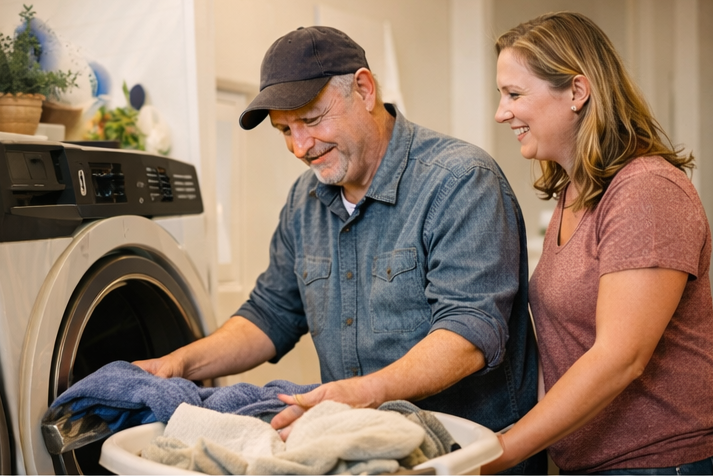
SLG's Independent Living Skills Training (ILST) services are designed to help adults living with acquired brain injuries develop the practical skills, confidence, and strategies needed to live as independently as possible within their homes and communities. As a core service of the Connecticut Acquired Brain Injury (ABI) Waiver, ILST focuses on teaching and reinforcing the everyday skills that support long-term independence, rather than simply completing tasks on behalf of the participant.
Every ILST program begins with the individual's personal goals, strengths, and rehabilitation priorities. Our experienced rehabilitation professionals work collaboratively with participants to create person-centered strategies that address the visible and invisible effects of brain injury, including executive functioning challenges, memory difficulties, reduced initiation, organization, cognitive fatigue, emotional regulation, and problem-solving.
Support is provided within real-life environments where skills can be practiced and generalized, allowing participants to build confidence while increasing their ability to manage everyday responsibilities independently. Depending on each individual's goals and approved service plan, Independent Living Skills Training may focus on:
Activities of daily living and personal self-care
Establishing healthy daily routines
Medication management strategies
Executive functioning and organizational skills
Time management and task completion
Memory compensation techniques
Household organization and home management
Budgeting and money management
Meal planning and food preparation
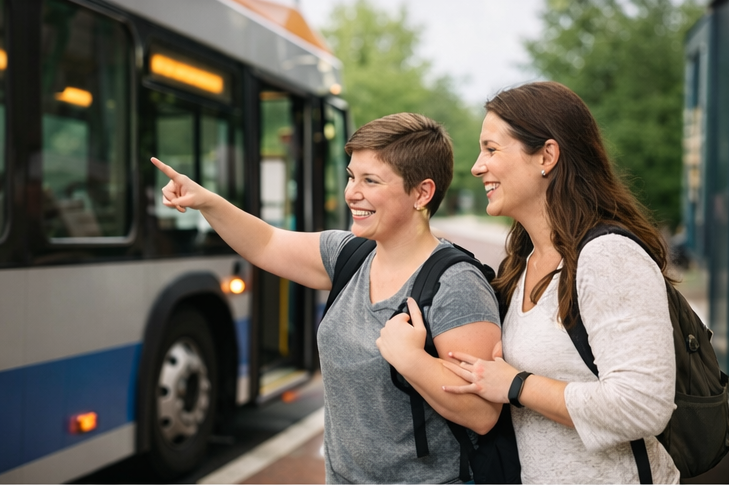
Community mobility and transportation skills
Communication and interpersonal relationships
Social participation and community integration
Emotional regulation and behavioral self-management
Problem-solving and decision-making
Self-advocacy and independent living skills
Our philosophy is centered on helping participants develop sustainable strategies that increase independence over time. Through individualized coaching, practical skill development, repetition, and community-based rehabilitation, SLG's ILST services empower participants to overcome everyday challenges, pursue meaningful personal goals, and build lives defined by greater confidence, choice, and community participation.
Independent Living Skills Training (ILST)

Group Day Support Services
SLG has developed an array of cognitively stimulating and life-enhancing Group Day Service options for individuals served by the Connecticut ABI Waiver I and II Programs. SLG's ABI Group Day Support Services have been created to incorporate generalized arts-based activities, as well as organized social and recreational opportunities. All ABI Waiver Group Day Supports have been developed with the goal of Participant inclusion, social and cognitive stimulation, and life enrichment in mind.

Pre-Vocational & Employment Readiness Services
Meaningful employment can play a powerful role in recovery after an acquired brain injury. Beyond financial independence, work provides structure, purpose, social connection, confidence, and opportunities to continue developing cognitive, interpersonal, and executive functioning skills. SLG's Pre-Vocational Services are designed to help Connecticut ABI Waiver participants prepare for competitive employment by building practical workplace skills within supportive, community-based environments.
Every participant's vocational journey begins with their own interests, strengths, and long-term goals. Working alongside experienced vocational rehabilitation professionals, participants receive individualized coaching that focuses on developing transferable employment skills while increasing confidence and workplace readiness. Through one-to-one support, behavioral modeling, task analysis, executive functioning strategies, and positive reinforcement, participants are encouraged to build the habits and skills necessary for long-term vocational success.
Depending on the participant's goals and approved service plan, pre-vocational supports may include:
Career exploration and vocational planning
Workplace communication and interpersonal skills
Time management and punctuality
Executive functioning strategies for employment
Organization and task completion
Following workplace routines and expectations
Problem-solving and flexible thinking
Self-advocacy and requesting workplace accommodations
Teamwork and professional behavior
Building confidence within structured work environments
Preparing for Supported Employment and competitive employment opportunities
A cornerstone of SLG's vocational rehabilitation approach is Inspire Arts CT, our creative arts and vocational initiative that provides individuals living with acquired brain injuries meaningful opportunities to develop workplace skills while exploring creativity, self-expression, and personal growth. Through professionally supported visual arts, woodworking, horticulture, mixed media, and community-based creative projects, participants strengthen executive functioning, communication, planning, organization, task persistence, and collaboration in environments designed to promote both rehabilitation and vocational development.
Unlike traditional vocational programs, Inspire Arts CT recognizes that recovery and employment readiness often develop together. Creative projects encourage participants to practice attention to detail, problem-solving, following multi-step processes, meeting expectations, and developing confidence—all transferable skills that support future employment and greater community participation. Participants also have opportunities to showcase their work through exhibitions, collaborative community projects, and vocational experiences that reinforce achievement and self-esteem.
SLG believes successful employment begins long before someone submits a job application. By combining individualized pre-vocational coaching with innovative programs such as Inspire Arts CT, we help participants discover their strengths, build practical employment skills, and move toward meaningful, sustainable careers that reflect their interests, abilities, and long-term goals.

“Life’s most persistent and urgent question is, what are you doing for others’”
— Dr. Martin Luther King Jr., clergyman, & civil rights activist
At The Supported Living Group (SLG), we believe that meaningful employment is one of the most powerful contributors to long-term recovery, independence, and community inclusion following an acquired brain injury. Our Supported Employment Services help participants in Connecticut's Acquired Brain Injury (ABI) Waiver I & II Program identify career goals, prepare for employment, secure competitive jobs, and develop the skills necessary to achieve long-term workplace success.
Employment after a brain injury often involves more than simply finding a job. Many individuals benefit from support navigating executive functioning challenges, workplace communication, confidence building, transportation planning, anxiety management, sensory considerations, and employer expectations. Our Supported Employment specialists work collaboratively with each participant to identify individualized strategies that promote successful employment outcomes while respecting each person's strengths, interests, and career aspirations.
SLG has developed strong relationships with employers throughout Connecticut who recognize the value of an inclusive workforce and are committed to creating meaningful employment opportunities for individuals living with acquired brain injuries. Through these partnerships, participants have access to a wide variety of employment experiences across multiple industries, allowing them to pursue careers that align with their interests, abilities, and long-term vocational goals.
Our employment supports may include:
Career exploration and vocational counseling
Employment interest and skills matching
Resume and application development
Interview preparation and confidence building
Job search assistance
Workplace communication strategies
Executive functioning supports for employment
Transportation planning
Workplace accommodation planning and self-advocacy
Employer collaboration and education
On-the-job coaching and employment stabilization
Long-term employment retention strategies
SLG's employment philosophy extends beyond traditional job placement. Through innovative initiatives such as Inspire Arts CT, participants have opportunities to develop transferable workplace skills in creative, structured environments that foster communication, problem-solving, organization, teamwork, attention to detail, and self-confidence. These experiences provide valuable vocational foundations that can support successful transitions into competitive employment.
Our multidisciplinary team also collaborates with the Connecticut Bureau of Rehabilitation Services (BRS), healthcare providers, families, and other members of each participant's support network whenever appropriate. This coordinated, person-centered approach helps ensure employment goals remain aligned with the individual's rehabilitation, educational, and long-term life objectives.
Whether someone is preparing for their first job after a brain injury, returning to the workforce, changing careers, or exploring employment for the first time, SLG's Supported Employment Services are designed to help individuals build meaningful careers while increasing independence, confidence, financial stability, and participation within their communities.
Supported Employment Services

“Before he became part of this program, Mark was becoming a recluse, even to his family. His first few weeks in the program were tough for both of us. Change is hard for him, but he persevered and after seeing the different styles of art, he could do, he looked forward to going. He was more engaged in conversation about each of his daily activities and he has even tried to get me to do some of the painting he has been shown. Mark’s participation takes time and effort but is well worth it leading to his independence. My fear for his future is slowly dissipating as he progresses forward. ”

SLG's Recovery Assistant (RA) Services provide individualized, community-based support that helps adults participating in Connecticut's Acquired Brain Injury (ABI) Waiver I & II Program build independence, strengthen daily living skills, and successfully apply rehabilitation strategies within their everyday lives. Working under each participant's individualized plan of care, Recovery Assistants provide practical, person-centered support that promotes long-term independence while encouraging active participation within the home and community.
Recovery after an acquired brain injury extends well beyond formal rehabilitation. Many individuals continue to experience challenges related to executive functioning, memory, organization, emotional regulation, cognitive fatigue, communication, and community participation. Recovery Assistants help bridge the gap between rehabilitation and independent living by reinforcing therapeutic goals within real-world environments, allowing participants to practice skills where they are needed most.
Our credentialed Recovery Assistants work collaboratively with participants, families, care managers, healthcare professionals, and interdisciplinary support teams to ensure services remain coordinated, individualized, and responsive to each person's evolving strengths and support needs. This collaborative approach supports continuity of care while promoting meaningful progress toward greater independence and community inclusion.
Recovery Assistant services may include support with:
Reinforcing rehabilitation and therapeutic goals
Building and maintaining daily routines
Activities of Daily Living (ADLs)
Executive functioning and organizational strategies
Community participation and social engagement
Self-advocacy and independent decision-making
Developing and strengthening natural support networks
Medication reminders and support with medication routines (within approved service guidelines)
Safety awareness and non-medical monitoring
Community transportation and navigation
Communication and interpersonal skill development
Emotional regulation strategies
Problem-solving and adaptive coping skills
Coordination with approved interdisciplinary providers and support teams
Rather than completing tasks on behalf of participants whenever possible, our Recovery Assistants emphasize coaching, encouragement, behavioral modeling, and practical skill reinforcement that helps individuals build confidence and increase independence over time. This strengths-based philosophy supports participants in developing sustainable strategies that promote greater self-sufficiency while respecting individual choice, dignity, and personal goals.
Recovery Assistant services also play an important role in reducing social isolation. Through meaningful community participation, relationship building, recreational opportunities, and the development of natural supports, participants are encouraged to reconnect with their communities and pursue activities that contribute to improved emotional well-being, confidence, and overall quality of life.
At The Supported Living Group (SLG), Recovery Assistant services are delivered as part of a coordinated, person-centered rehabilitation model. Working in collaboration with the Connecticut Department of Social Services (DSS), GT Independence, healthcare providers, and each participant's interdisciplinary team, we strive to ensure every individual receives the individualized support necessary to achieve meaningful rehabilitation outcomes while living successfully within their homes and communities.
Our goal is simple: to empower individuals with acquired brain injuries to build lasting independence, strengthen community connections, and pursue lives defined by purpose, choice, and opportunity.
ABI Recovery Assistant (RA) Services

Supporting Independence Through Personalized Care
While PCA services provide hands-on assistance when needed, SLG's philosophy focuses on preserving and enhancing participant independence. Our Personal Care Assistants work alongside individuals to encourage participation, decision-making, and self-direction whenever appropriate.
For individuals living with acquired brain injuries, consistent support with daily routines can provide important benefits, including:
Increased safety within the home
Improved consistency with personal care routines
Reduced caregiver burden
Greater confidence managing daily activities
Increased ability to remain active within the community
Improved overall quality of life
By providing reliable, individualized support, PCA services help create the foundation necessary for participants to pursue broader rehabilitation goals, including community involvement, education, employment, and independent living.
Commitment to Quality and Continuity of Care
SLG understands the importance of consistency, trust, and communication when providing personal care services. Our PCA staff receive ongoing training and supervision to ensure supports are delivered safely, respectfully, and in alignment with each participant's approved plan of care.
Through collaboration with participants, families, care managers, healthcare providers, and interdisciplinary teams, SLG works to ensure that PCA services remain responsive to changing needs while supporting participant choice and independence.
At The Supported Living Group, we believe personal care is not simply about assistance—it is about helping individuals maintain dignity, participate in their communities, and continue moving toward the greatest level of independence possible after brain injury.
Personal Care Assistant (PCA) Services for Connecticut ABI Waiver Participants
SLG provides Personal Care Assistant (PCA) Services as part of its comprehensive Connecticut Acquired Brain Injury (ABI) Waiver I & II supports, helping individuals maintain dignity, independence, and safety while completing essential activities of daily living (ADLs). PCA services provide individualized, non-medical assistance that allows participants to remain in their homes and communities while receiving the level of support needed to successfully manage daily routines.
Following an acquired brain injury, some individuals experience ongoing challenges that affect their ability to independently complete personal care tasks. These challenges may be related to physical limitations, cognitive changes, fatigue, executive functioning difficulties, balance concerns, memory challenges, or reduced safety awareness. PCA services are designed to provide the appropriate level of support while promoting independence, choice, and personal control.
SLG's trained Personal Care Assistants provide respectful, person-centered assistance with daily activities, including:
Bathing and showering
Dressing and clothing selection
Personal hygiene and grooming
Eating and meal-related support
Toileting and personal care routines
Mobility and safety assistance
Personal organization related to daily care needs
Other approved activities of daily living (ADLs)
Our approach recognizes that personal care is about more than completing tasks—it is about supporting the whole person. PCA services are delivered with respect for each participant's preferences, routines, cultural considerations, and individual goals while encouraging the highest level of independence possible.
PCA Services as Part of a Coordinated ABI Rehabilitation Approach
Successful brain injury rehabilitation often requires collaboration among multiple support professionals. SLG integrates PCA services within a broader, person-centered service model that may include Independent Living Skills Training (ILST), Recovery Assistant Services, Supported Employment, clinical supports, and community integration opportunities.
This coordinated approach ensures that personal care needs are addressed while also supporting the participant's larger rehabilitation goals.
For example, a participant may receive PCA assistance with morning routines while also working with an ILST professional to develop strategies for greater independence, organization, and self-management over time.

What Are ABI Waiver Companion Services?
Companion Services are designed to provide supportive assistance that helps individuals maintain independence while reducing barriers to meaningful community living.
Unlike traditional caregiving models focused solely on completing tasks, SLG's Companion Services emphasize:
Relationship building
Community participation
Safety awareness
Encouragement and motivation
Social connection
Reinforcement of established routines
Increased confidence and independence
Companions work alongside participants to support successful engagement in activities that are meaningful to them while respecting individual choice, preferences, and personal goals.
Companion Services and Independent Living Skills Training (ILST)
Companion Services often work in collaboration with Independent Living Skills Training (ILST) to support continued progress toward independence.
While ILST focuses on developing and strengthening specific independent living skills, Companion Services help participants practice and maintain those skills during everyday activities.
For example:
An ILST professional may help a participant develop strategies for navigating community transportation.
A Companion may then support the participant while they practice using those strategies in real-world settings.
This collaborative approach helps ensure that rehabilitation goals are carried over into daily life.
Person-Centered Companion Support
At SLG, we recognize that every individual's recovery journey is different. Effective Companion Services begin with understanding each participant's:
Strengths
Interests
Goals
Support needs
Communication style
Preferred routines
Our Companion staff receive training and supervision to ensure services are delivered with professionalism, respect, and a focus on promoting independence.
The role of a Companion is not to take over—it is to support individuals in participating more fully in their own lives.
Supporting Independence Through Connection and Consistency
For many individuals living with an acquired brain injury, having a consistent, supportive presence can make the difference between remaining isolated and actively participating in the community.
SLG's ABI Waiver Companion Services provide the encouragement, structure, and individualized support needed to help participants maintain progress, strengthen confidence, and pursue meaningful lives within their communities.
Through compassionate, person-centered support, SLG helps individuals move toward greater independence while ensuring safety, dignity, and personal choice remain at the center of every service provided.
ABI Waiver Companion Services in Connecticut
SLG is committed to providing high-quality, The Supported Living Group (SLG) provides Companion Services for Connecticut ABI Waiver participants to promote safety, independence, community participation, and quality of life for adults living with the effects of acquired brain injuries. Through individualized one-to-one support, SLG's Companion Services help participants remain engaged within their homes and communities while maintaining consistency with their personal goals, routines, and rehabilitation plans.
Following an acquired brain injury, individuals may experience challenges related to memory, executive functioning, organization, emotional regulation, judgment, safety awareness, social communication, or community navigation. While these challenges may not always be visible, they can significantly impact a person's ability to confidently manage everyday situations.
ABI Waiver Companion Services provide an important layer of individualized support by offering encouragement, supervision, social connection, and assistance with successfully participating in daily life.
How Companion Services Support Individuals After Brain Injury
The effects of an acquired brain injury can create challenges that impact everyday decision-making and participation.
Companion Services may assist participants with:
Maintaining daily routines
Participating in community activities
Accessing recreational opportunities
Building social connections
Practicing communication skills
Increasing confidence in community environments
Supporting safety awareness
Managing transitions between activities
Reinforcing strategies developed through rehabilitation services
Reducing isolation and increasing meaningful engagement
By providing consistent support in natural environments, Companion Services help participants apply their skills beyond structured rehabilitation settings.
Supporting Community Participation and Quality of Life
Successful recovery after brain injury involves more than managing daily tasks—it involves reconnecting with the activities, relationships, and experiences that give life meaning.
SLG's Companion Services support participants in pursuing personal interests and community opportunities, including:
Recreational activities
Social events
Community programs
Volunteer opportunities
Hobbies and interests
Cultural activities
Educational opportunities
These experiences promote confidence, reduce isolation, and support emotional well-being.
A Coordinated Approach to ABI Rehabilitation
SLG integrates Companion Services within a comprehensive ABI Waiver support model that may include:
Independent Living Skills Training (ILST)
Recovery Assistant Services
Personal Care Assistant (PCA) Services
Supported Employment
Vocational Rehabilitation
Clinical and behavioral health supports
Community integration opportunities
This coordinated approach ensures that participants receive consistent support across environments while continuing to work toward their individualized goals.


